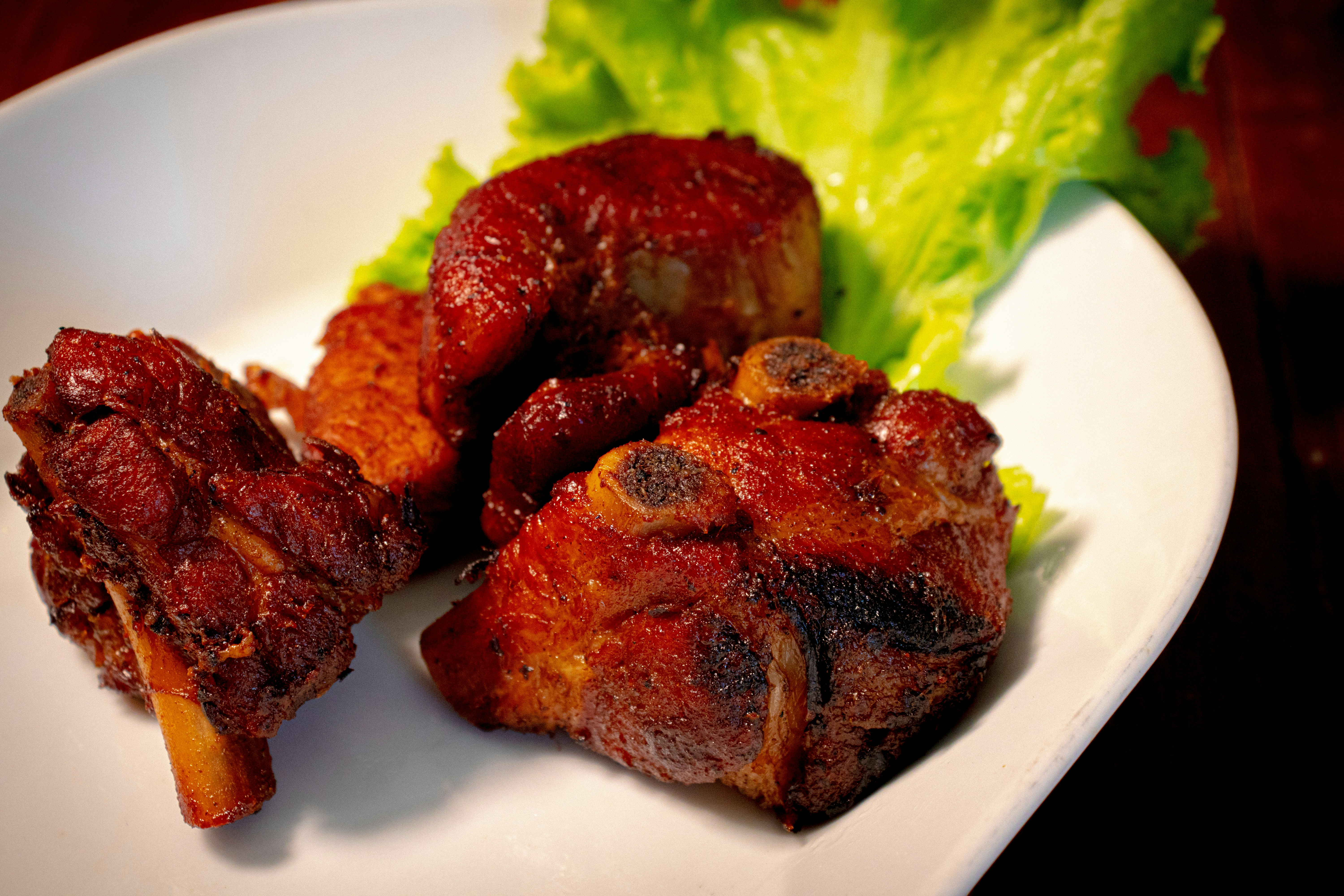
Introduction to Hawaiian Cuisine
Hawaiian cuisine is a vibrant tapestry woven from rich cultural influences, primarily Polynesian, Asian, and American. The unique flavors of this island-based culinary tradition derive not only from a diverse array of ingredients but also from time-honored cooking techniques that showcase the natural bounty of the Hawaiian Islands. Essential to this cuisine are fresh fruits, vegetables, and locally sourced meats, with pork holding a particularly esteemed position in Hawaiian culinary practices.
Pork is deeply embedded in the cultural rituals and traditions of Hawaii. The traditional preparation method known as “imu” involves digging a pit in the ground to create an underground oven. Whole pigs, seasoned and wrapped in ti leaves, are placed in the imu to cook slowly over hot stones, resulting in tender, smoky, and flavorful meat. This process exemplifies the communal aspect of Hawaiian dining, where food is not merely sustenance but a focal point of gatherings and celebrations.
In addition to the imu, the cooking styles of Hawaii show a blend of techniques, including grilling and roasting, influenced by the diverse cultural backgrounds of its inhabitants. Ingredients such as pineapple, taro, and coconut complement the rich taste of pork and are frequently featured in various dishes. Moreover, the use of fresh herbs and spices, notably ginger and garlic, add layers of flavor while respecting the island’s natural environments.
The emphasis on local, fresh ingredients not only highlights the significance of sustainability within Hawaiian cuisine but also enhances the culinary experience, making each meal a celebration of place and culture. As we delve deeper into Hawaiian pork recipes crafted by renowned chefs, we will discover how these culinary practices are celebrated and innovated upon, allowing this rich tradition to thrive in contemporary contexts.
The Significance of Pork in Hawaiian Culture
Pork holds a pivotal role in Hawaiian culture, serving as both a symbol of wealth and a staple in traditional cuisine. This reverence for pork can be traced back to early Polynesian settlers who brought pigs to the islands, where they quickly became an integral part of the local diet and ceremonial practices. The abundance of this resource contributed to its prominence in various Hawaiian dishes, making it a beloved choice for many households.
One of the most traditional methods of preparing pork in Hawaiian culture is through the imu, an underground oven technique that has been passed down through generations. This method involves digging a pit in the ground, heating stones, and layering the meat with leaves and other ingredients before covering it with earth. The slow cooking process results in tender, flavorful pork that is steeped in cultural significance. The imu is not merely a cooking method; it represents the communal aspect of Hawaiian culture, as families and friends often gather to celebrate special occasions and share meals together.
Modern Hawaiian cooking has evolved to incorporate these rich traditions while adapting to contemporary tastes. Today, pork can be found in a myriad of dishes, ranging from the iconic kalua pork to more innovative creations found in local restaurants. This versatility showcases the enduring legacy of pork in Hawaii, highlighting its status as a key ingredient that continues to delight the palates of both locals and visitors alike. As Hawaiian chefs explore new culinary horizons, the significance of pork remains a steadfast reminder of the islands’ rich cultural heritage.
Profile of Our Featured Chefs
In our exploration of mouthwatering Hawaiian pork recipes, we are proud to introduce a selection of esteemed chefs who epitomize the essence of Hawaiian culinary artistry. These professionals are not only masters of flavor but also deeply rooted in the cultural heritage of Hawaii, bringing unique techniques and perspectives to their dishes.
First, we have Chef Sam Choy, a pioneer in modern Hawaiian cuisine. With more than three decades of culinary experience, he has earned acclaim for his innovative approaches to traditional dishes. Chef Choy is known for his vibrant flavors and his commitment to using locally sourced ingredients. His focus on the principles of ʻaina (land) and kai (sea) has helped him create dishes that reflect the spirit of the islands, particularly when it comes to pork, which he expertly prepares in various styles, from kalua to grilled variations.
Next, we feature Chef Michelle Karr-Ueoka, a prominent figure in the Hawaiian culinary scene. Recognized as a James Beard Award nominee, she blends her classical training with local flavors to create exquisite dishes that celebrate Hawaiian ingredients. Her signature style emphasizes the importance of presentation and taste, making each dish a visual and gastronomic delight. In her pork recipes, she often incorporates a fusion of Asian and Hawaiian spices, providing a unique twist that showcases the diverse influences on Hawaiian cooking.
Lastly, we cannot overlook Chef Alan Wong, a respected innovator in Hawaiian cuisine. His work has significantly impacted the way traditional Hawaiian dishes are perceived and presented. Chef Wong’s philosophy centers on combining high-quality, fresh local produce with authentic flavors, resulting in extraordinary culinary experiences. His ability to reinterpret traditional recipes, including those featuring pork, has carved a niche for him as a leader in the local food movement.
These chefs not only represent the culinary richness of Hawaii but also embody the passion and dedication required to elevate the island’s gastronomy. Their impressive backgrounds and unique techniques ensure that their featured pork recipes will bring the authentic taste of Hawaii to your table.
Delicious Hawaiian Pork Recipe #1: Kalua Pork
Kalua Pork is one of the most iconic dishes of Hawaiian cuisine, celebrated for its rich flavors and tender texture. Traditionally, this dish is prepared using a unique cooking method in an imu, an underground oven, which imparts a distinct smokiness that is fundamental to its authentic taste. However, with a few adjustments, you can recreate this beloved recipe in your home kitchen.
The primary ingredient for Kalua Pork is, naturally, pork. Typically, a large cut such as a pork shoulder or butt is recommended, as the marbling in these cuts allows the meat to become exceptionally tender during the cooking process. For seasoning, you will need Hawaiian sea salt and liquid smoke, both of which are crucial for achieving that traditional flavor. Optional ingredients include garlic for added depth and leaves from the ti plant, which can be used to wrap the pork in the imu for infusing moisture and flavor.
To prepare Kalua Pork, start by preheating your oven to 325°F (163°C). Rub the pork with Hawaiian sea salt and a few drops of liquid smoke, ensuring to coat the entire surface. Place the pork in a roasting pan, and if you have ti leaves, you may wrap the pork for additional flavor. Cover the pan tightly with aluminum foil to trap the moisture. Cook the pork for approximately 4 to 6 hours, or until the meat is tender and shreds easily with a fork.
Throughout the cooking process, consider basting the pork occasionally with its juices to keep it moist. Once the meat is ready, remove it from the oven and allow it to cool slightly. Shred the pork using two forks, mixing in the remaining juices for enhanced flavor. Serve your Kalua Pork with traditional sides such as rice and macaroni salad to complete the Hawaiian experience.
With these steps, you can create a delicious Kalua Pork dish that embodies the essence of Hawaiian flavors right in your kitchen.
Delicious Hawaiian Pork Recipe #2: Pork Loin with Lomi Lomi Tomato Salad
The Pork Loin with Lomi Lomi Tomato Salad brings a contemporary twist to a classic Hawaiian dish, emphasizing fresh ingredients and vibrant flavors. This recipe features a succulent pork loin, renowned for its tenderness and rich taste, paired with a refreshing lomi lomi tomato salad that perfectly balances the dish.
To prepare the pork loin, begin by selecting a high-quality cut, ideally weighing around two pounds. The first step involves seasoning the pork with a blend of Hawaiian sea salt, black pepper, and a hint of garlic powder, which will enhance the natural flavors of the meat. Searing the pork loin in a hot skillet until golden brown seals in the juices, creating a delicious crust. After the searing process, move the pork to a preheated oven at 375°F and roast until the internal temperature reaches 145°F, ensuring it remains juicy and succulent.
While the pork is roasting, it is time to prepare the lomi lomi tomato salad. This salad traditionally combines diced tomatoes, green onions, and a splash of lime juice, but for this modern variant, adding diced cucumbers and finely chopped cilantro enhances the freshness. The ingredients should be gently tossed together, allowing them to meld, while the acidity from the lime brightens the overall dish.
The combination of the juicy pork loin and the vibrant lomi lomi tomato salad creates a delightful contrast of textures and flavors. The richness of the pork is beautifully complemented by the crisp and zesty salad, making it a perfect centerpiece for a Hawaiian-inspired meal. This dish not only showcases the harmony of flavors but also reflects the culinary traditions of Hawaii, bringing a taste of the islands to your table.
Delicious Hawaiian Pork Recipe #3: Char Siu Pork
Char Siu Pork is a beloved dish that embodies the unique blend of flavors found in Hawaiian cuisine. This Chinese-inspired delicacy features marinated pork, often prepared in a sweet, tangy sauce that infuses the meat with a distinct taste that many find irresistible. To achieve the authentic Char Siu flavor, it is essential to start with the right cuts of pork, typically pork shoulder or butt, known for their tenderness and flavor.
The marinade plays a crucial role in developing the delectable flavor profile of Char Siu Pork. Combine soy sauce, hoisin sauce, Chinese five-spice powder, honey, and a splash of rice vinegar in a bowl to create a balanced mixture that strikes a perfect harmony of sweetness, saltiness, and acidity. Once the marinade is ready, coat the pork generously, ensuring that every crevice absorbs the flavorful mixture. For optimal results, allow the pork to marinate for at least 4 hours, or ideally, overnight in the refrigerator. This extended marination will enhance the flavors and tenderness of the meat.
Cooking Char Siu Pork can be accomplished through various methods, each leading to equally delicious results. The most traditional method involves roasting the marinated pork in an oven set to a high temperature. Place the pork on a wire rack over a baking sheet to allow the juices to drain and promote even cooking. Baste the pork with leftover marinade every 15 to 20 minutes to build a luscious glaze. The pork can also be grilled or smoked for an additional layer of flavor, further enriching the dish. Aim for an internal temperature of 145°F for perfectly cooked pork.
Once your Char Siu Pork has reached the desired doneness, let it rest for about 10 minutes before slicing. This resting phase is vital, as it allows the juices to redistribute, ensuring each bite is succulent. Serve the sliced Char Siu on a platter, garnished with scallions or sesame seeds for a touch of color and freshness. Additionally, pairing this dish with steamed rice or fried rice, and a side of pickled vegetables, can complement the rich flavors of the pork while providing a complete dining experience.
Cooking Tips from the Chefs
When it comes to preparing traditional Hawaiian pork dishes, the right selection of pork cuts and proper cooking techniques are vital for achieving authentic flavors. Renowned chefs emphasize choosing higher quality pork cuts, such as pork shoulder or belly, which contribute to a tender and juicy finished product. These cuts are known for their rich flavor profiles and marbling, making them ideal for slow cooking methods like braising or roasting, both popular in Hawaiian cuisine.
Marinating is another essential step recommended by culinary experts. To imbue the pork with depth of flavor, a marinade typically made with soy sauce, garlic, ginger, and a hint of acidity—such as pineapple juice or vinegar—should be used. Allowing the pork to marinade for several hours or overnight significantly enhances its overall taste. Chefs often suggest a mix of sweet and savory elements in marinades to reflect the balanced palate found in Hawaiian cooking.
Furthermore, mastering the cooking temperature is crucial. Many chefs advocate for a low and slow cooking approach, which not only tenderizes the meat but also allows the flavors to meld beautifully. Using a meat thermometer to ensure the pork reaches an internal temperature of 145°F (63°C) can prevent overcooking, leading to dry meat.
Lastly, garnishing and resting the pork after cooking are important steps often overlooked by home cooks. Chefs recommend letting the pork rest for at least ten minutes before slicing. This allows the juices to redistribute, keeping the meat moist and flavorful. Additionally, using fresh herbs, such as cilantro or green onions, as a garnish can brighten the dish while providing a tropical touch, truly encapsulating the essence of Hawaiian cuisine.
Accompaniments and Side Dishes
When savoring mouthwatering Hawaiian pork dishes, selecting the right accompaniments and side dishes can significantly enhance the dining experience. Traditional Hawaiian cuisine features several staple side dishes that complement the rich flavors and textures of pork preparations, making them an essential part of the meal.
One of the most popular pairings is steamed white rice, which acts as a neutral base that balances the savory notes of the pork. The fluffy texture of rice allows it to soak up the delicious juices from the meat, making each bite a harmonious blend of flavors. Additionally, short-grain rice, often sticky and slightly sweet, is a favored choice for Hawaiian households.
Macaroni salad is another classic accompaniment renowned in Hawaiian meals. This creamy side dish typically combines elbow macaroni, mayonnaise, and a medley of ingredients such as carrots, celery, and green onions. It is not only refreshing but also adds a delightful contrast in texture to the rich pork offerings. For those looking to prepare macaroni salad, let it chill for several hours before serving to allow the flavors to meld beautifully.
Poi, a traditional Hawaiian staple made from taro root, is also a notable side dish that pairs exceptionally well with pork. The preparation involves cooking taro root until soft, mashing it, and then mixing it with water to achieve a smooth, pudding-like consistency. It is often served with a slight sour taste, achieved through fermentation, making it a unique accompaniment that balances the savory profile of pork dishes.
Other popular options include roasted vegetables and pineapple salsa, which add freshness and sweetness, respectively. Incorporating these side dishes will enhance the overall flavors and elevate the Hawaiian dining experience surrounding the pork recipes. With careful selection of accompaniments, each bite will evoke the flavors of Hawaii.
Conclusion and Final Thoughts
In Hawaiian cuisine, pork holds a significant place, showcasing its versatility and the rich culinary traditions of the islands. The unique flavors of Hawaiian pork recipes not only reflect the local culture but also evoke a sense of joy and community when prepared and shared with loved ones. The recipes highlighted in this blog post, crafted by renowned chefs, illustrate how pork can be transformed into mouthwatering dishes that transport one to the vibrant shores of Hawaii.
When preparing Hawaiian pork at home, one has the opportunity to explore an array of flavors, from the sweetness of pineapple to the savory notes of soy sauce and garlic. Each dish tells a story, inviting the cook to embrace the spirit of aloha through their culinary creations. Whether it’s a traditional kalua pork or a modern twist on a classic recipe, these pork dishes are sure to please the palate and create lasting memories.
Moreover, engaging with these recipes opens a door to discovering broader Hawaiian flavors. As you venture into this aspect of Hawaiian cuisine, consider experimenting with local ingredients and techniques to personalize these dishes to suit your tastes. The joy of cooking is magnified when one is able to innovate while staying true to the essence of the island’s culinary heritage.
In conclusion, the process of preparing and savoring pork dishes from Hawaii can be a fulfilling experience. We encourage you to try out the recipes provided, allowing them to inspire your endeavors in the kitchen. By doing so, not only will you appreciate the depth of Hawaiian flavors, but you will also contribute to the preservation and celebration of this cultural heritage through your own cooking adventures.