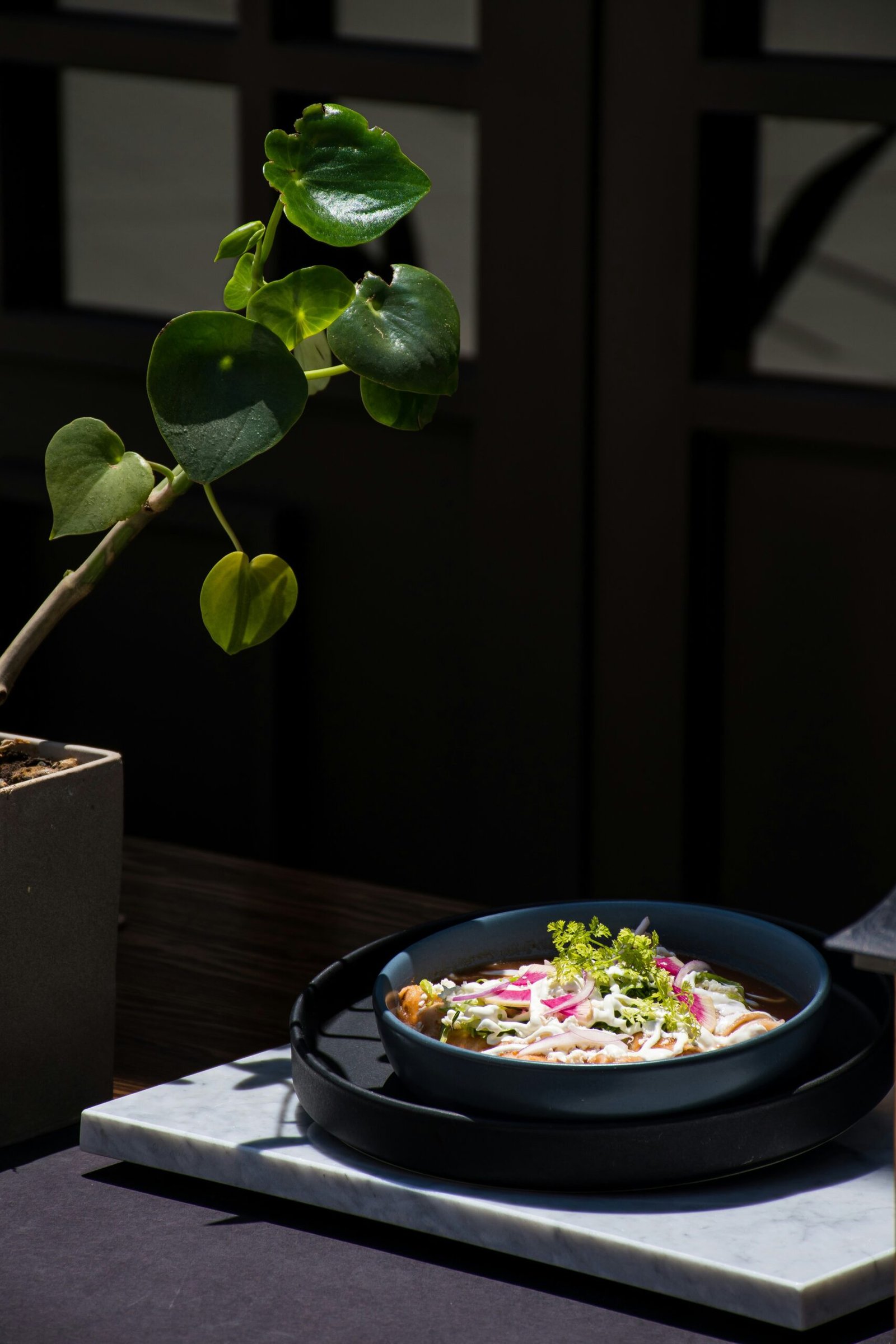
An Introduction to New Jersey’s Culinary Identity
New Jersey, often referred to as the ‘Garden State,’ embodies a rich and diverse culinary identity that has been shaped by various cultural influences over the years. This vibrant food landscape is a reflection of the state’s ability to absorb and integrate flavors and techniques from a multitude of immigrant communities. These neighborhoods have cultivated a unique blend of culinary traditions that contribute significantly to New Jersey’s reputation as a gastronomic haven.
The state’s geographical location, situated conveniently between major urban centers such as New York City and Philadelphia, further enriches its food culture. The easy access to different food styles enables local establishments to incorporate a variety of ingredients and cooking methods into their menus. As a result, diners can enjoy an eclectic range of cuisines, from Italian and Polish to Asian and Latin American, often within a single meal. This melange of culinary traditions plays a crucial role in defining New Jersey’s food scene, where each bite tells a story of diversity and tradition.
Moreover, New Jersey’s agricultural sector significantly impacts its culinary offerings. With a robust farming industry supplying fresh produce, the state proudly cultivates vegetables, fruits, and herbs that are essential to numerous local dishes. The commitment to using local ingredients not only enhances the flavors but also promotes sustainability and support for local farmers. As a consequence, diners in New Jersey often experience a true taste of the state’s freshness and bounty, making each meal distinctive.
In summary, New Jersey’s culinary identity is a tapestry woven from diverse cultural threads and agricultural resources. This fusion not only reflects the state’s history and demographics but also highlights the importance of local produce in creating authentic dishes, marking the state as a rich hub for food lovers.
The Best Restaurants to Experience New Jersey’s Food Scene
New Jersey is renowned for its diverse and vibrant food culture, boasting a range of restaurants serving everything from traditional Italian-American fare to innovative farm-to-table dishes. One standout establishment is Saddle River Inn, located in Saddle River. This fine dining restaurant has earned acclaim for its elegant atmosphere and meticulously prepared seasonal dishes. Guided by Chef Eric Bero, the menu celebrates locally sourced ingredients and offers a modern twist on classic flavors, making it a must-visit destination for any food enthusiast.
Another notable gem is Frankie’s Italian Kitchen, situated in the heart of Morristown. It embodies the essence of Italian-American cuisine with its hearty portions and warm ambiance. Founded by the talented Chef Frank, the restaurant’s signature dishes include homemade pasta and classic sauces, drawing inspiration from family recipes that highlight the richness of Italian culinary traditions. Diners are often captivated by the inviting atmosphere, making it a perfect venue for both intimate dinners and larger gatherings.
If you are seeking a unique dining experience, Blue Barn Cuisine in Mount Holly is an exemplary choice. This innovative farm-to-table restaurant redefines modern dining by partnering with local farms to curate a menu that changes seasonally. Chef Cassie prepares exquisite dishes that reflect both the agricultural bounty of New Jersey and her culinary creativity. The restaurant’s commitment to sustainability not only enhances the dining experience but also fosters a deeper connection between diners and their food sources.
No exploration of New Jersey’s food scene would be complete without a visit to The Black Whale in Point Pleasant. This seafood haven specializes in fresh, locally sourced catch, providing diners with a quintessential coastal experience. The atmosphere is casual yet inviting, making it suitable for family meals or romantic evenings out. From clam chowder to exquisite lobster rolls, The Black Whale truly reflects the state’s love affair with its coastal cuisine.
Must-Try Dishes That Define New Jersey
New Jersey boasts a diverse culinary landscape that reflects its rich cultural heritage, creating a food culture that is both distinctive and beloved. Among the many iconic dishes that New Jersey is known for, pork roll stands as a signature treat. Often enjoyed at breakfast, this processed pork product, which is sometimes referred to as Taylor ham, is served in sandwiches, often paired with egg and cheese. The dish highlights the unique preference of many locals and has even sparked spirited debates about its name and preparation style.
In addition to the celebrated pork roll, New Jersey diners play an integral role in the state’s food culture. These establishments, known for their extensive menus, offer an array of breakfast specialties that cater to early risers and late-night patrons alike. While you explore the many diners throughout the state, be sure to indulge in their classic offerings, such as fluffy pancakes, hearty omelets, and the quintessential breakfast platter, which often features home fries and toast. This diner experience not only fulfills dietary needs but also serves as a significant social hub for communities.
Moreover, the proximity of New Jersey to the Atlantic Ocean makes fresh seafood a staple part of its culinary identity. From succulent lobster rolls to delectable crab cakes, the coastal towns offer a variety of seafood options that exemplify the freshness of local catches. Clam chowder and fried calamari are also favorites among seaside diners, each showcasing the seasonal bounty that the ocean provides. The fusion of these elements—pork roll, diner breakfasts, and fresh seafood—combine to create an authentic representation of New Jersey’s food culture, making it a paradise for food lovers and culinary explorers alike.
A Deep Dive into the Diner Culture of New Jersey
New Jersey’s diner culture is a unique and significant facet of its food landscape, rooted deeply in the state’s history and social fabric. The evolution of diners in New Jersey began in the early 20th century when these establishments started as small, mobile units serving quick meals to the working class. As automobiles became more common, the demand for convenient dining options grew, resulting in the establishment of fixed diners scattered throughout the state. This phenomenon reflects not only changing dining trends but also the technological advancements of the era.
Diner food is known for its extensive menus, providing a variety of choices that cater to diverse tastes and preferences. From breakfast staples such as pancakes and omelets to hearty lunch and dinner offerings like meatloaf, sandwiches, and salads, New Jersey diners serve an array of dishes that satisfy all appetites. The sheer volume of options has contributed to the popularity of diners; they have become synonymous with comfort food and late-night cravings, providing a welcoming atmosphere for diners around the clock.
Moreover, the diner serves as more than just a place to eat; it acts as a vital gathering spot for communities. Friends and families frequently come together to share meals and navigate life’s milestones within the walls of these establishments. Iconic diners such as the Tick Tock Diner in Clifton and the Garden State Diner in Lodi exemplify this communal aspect, often filled with regular patrons who foster a sense of belonging. Additionally, anecdotes shared among visitors demonstrate the strong connection people have with their local diners, as stories about first dates, family gatherings, and late-night chats unfold. This rich cultural heritage continues to thrive, marking diners as an integral part of New Jersey’s identity.
Exploring New Jersey’s Diverse Ethnic Foods
New Jersey is celebrated for its rich tapestry of food cultures, reflecting the diverse ethnic communities that call it home. Each group has contributed unique culinary traditions that enhance the state’s vibrant dining scene. Italian cuisine, for instance, stands out significantly, with classic favorites like spaghetti and meatballs, linguine with clam sauce, and an array of delectable pizzas. Iconic Italian restaurants such as Casa Bianca in Bergan County offer a nostalgic taste of traditional recipes passed down through generations, emphasizing the importance of family in Italian dining culture.
The Mexican food scene in New Jersey has also thrived, bringing forth an authentic spectrum of flavors and textures. Tacos, enchiladas, and tamales made from fresh ingredients can be found in restaurants like El Meson. The vibrant experience of a Mexican cantina not only showcases delicious food but also fosters a sense of community through shared meals, embodying the culture’s communal dining practices.
Additionally, the Portuguese community has significantly influenced New Jersey’s culinary landscape with dishes such as bacalhau (salted cod) and caldo verde (green soup). Restaurants like Casa Portugal embrace these traditions, offering an authentic taste of Portugal’s coastal cuisine. The emphasis on seafood showcases New Jersey’s coastal proximity while celebrating the rich cultural heritage of its residents.
Furthermore, the Indian culinary presence is robust, featuring an impressive variety of dishes ranging from buttery chicken tikka masala to aromatic biryanis. Restaurants like Aashirwad in Edison exemplify the complex flavors and spices integral to Indian cuisine. The use of ingredients like cumin, cardamom, and turmeric not only creates unique tastes but also illustrates the historical significance of trade and culture within New Jersey’s food narrative.
Overall, the ethnic diversity in New Jersey enriches its culinary landscape, offering residents and visitors alike an array of flavors that collectively tell the story of its multicultural heritage.
Farm-to-Table Movement in New Jersey
The farm-to-table movement has gained significant traction in New Jersey, emphasizing the importance of sourcing food directly from local producers. This approach not only supports local economies but also leads to fresher and seasonally available ingredients, resulting in enhanced flavor profiles for the dishes served in restaurants throughout the state. Many chefs are recognizing the value of establishing direct relationships with farmers, allowing them to create menus that reflect the best that New Jersey’s farms have to offer.
As a cornerstone of this movement, farmers’ markets have become increasingly prominent in New Jersey, providing residents with direct access to fresh, locally grown produce. These markets not only foster community relationships but also raise awareness about the importance of sustainable agricultural practices. Consumers are becoming more discerning, often seeking out organic and sustainably grown options, which has encouraged many local farmers to adopt eco-friendly methods of cultivation. This focus on sustainability complements the farm-to-table ethos as restaurants prioritize ingredients that are responsibly sourced, aligning with the values of environmentally conscious diners.
Sweet Treats and Desserts Unique to New Jersey
New Jersey is not only renowned for its vibrant food culture, but it also holds a special place when it comes to sweet treats and desserts that reflect its diverse heritage and regional traditions. One of the most iconic confections associated with the Garden State is the blueberry pie. Known for its succulent blueberries, harvested locally, this pie has become a symbol of New Jersey’s agricultural bounty, particularly during the summer months. The roots of this dessert trace back to the state’s early settlers, who utilized the abundant natural resources to create flavorful dishes that have stood the test of time.
Another beloved sweet treat from New Jersey is the saltwater taffy, a chewy and nostalgic candy that is particularly popular in Atlantic City. This confection dates back to the late 19th century when it was said to have originated after a sea accident involving taffy soaking up saltwater. Today, saltwater taffy comes in a wide array of flavors and has become a quintessential part of the state’s coastal experience. Visitors often indulge in this sweet delight while walking along the boardwalk, making it a true cultural emblem of the state.
In addition to these well-known treats, New Jersey offers a variety of regional specialties, such as the classic Italian pastry, cannoli, which reflects the state’s rich Italian-American heritage. Local bakeries craft these delicious pastries, filled with sweet ricotta cheese and garnished with chocolate chips or pistachios. The fusion of flavors found in New Jersey’s desserts not only satisfies the sweet tooth but also exemplifies the state’s diverse culinary landscape, showcasing influences from various ethnic communities throughout history.
New Jersey’s Craft Beverage Scene: Beer, Wine, and Spirits
New Jersey’s craft beverage scene is experiencing remarkable growth, showcasing a diverse array of breweries, wineries, and distilleries that cater to a variety of tastes. The state’s climate and fertile land provide an ideal backdrop for producing high-quality ingredients that contribute to the craft beverage boom. As a result, New Jersey has become a noteworthy destination for enthusiasts of local drinks, offering a unique tasting experience that reflects its rich cultural tapestry.
The craft beer movement has taken root in New Jersey, with more than 130 breweries currently operating across the state. Breweries like Carton Brewing in Atlantic Highlands and Kane Brewing Company in Ocean Township highlight the innovative spirit of local brewers. These establishments often focus on small batch production, creating unique flavors that pair seamlessly with regional cuisine. Pairing a fruity IPA from one of these local breweries with a classic New Jersey cheesesteak, for example, elevates the overall dining experience and emphasizes the harmony between food and beverage.
Wineries also flourish in New Jersey, with over 50 vineyards that produce award-winning wines reflective of the state’s terroir. Notable wineries, such as Unionville Vineyards and Cape May Winery, offer tasting experiences that allow visitors to discover the nuances of local grape varieties. Pairing New Jersey wines with iconic dishes, such as a crisp white wine alongside a fresh tomato pie, highlights how the local beverage culture enhances culinary offerings.
In addition to beers and wines, the distilling industry has made significant strides in recent years. Distilleries like Jersey Artisan Distilling and Corgi Spirits craft spirits using locally sourced ingredients. The growth of craft cocktails is evident, as mixologists experiment with these unique spirits to create innovative drinks that capture the essence of New Jersey. Overall, the blend of beer, wine, and spirits reflects the state’s dedication to quality and local craftsmanship, establishing a vibrant craft beverage landscape that complements its diverse food culture.
Future Trends in New Jersey’s Food Culture
The food culture in New Jersey is experiencing significant evolution, driven by the increasing awareness of health and wellness among consumers. As residents become more health-conscious, there is a notable shift towards dining options that prioritize nutrition without sacrificing taste. This trend is characterized by a rise in the popularity of organic ingredients, superfoods, and dishes low in added sugars and unhealthy fats. Many restaurants are now offering transparent menus that detail the nutritional value of their meals, allowing diners to make educated choices.
In addition to health-conscious dining, the demand for plant-based options continues to grow. New Jersey’s culinary scene is seeing an influx of vegan and vegetarian eateries, as well as traditional restaurants adapting their menus to include more plant-based dishes. This shift is not solely limited to the health sector; it is also fueled by environmental concerns and ethical considerations regarding animal welfare. As consumers increasingly seek out alternatives to meat, restaurants are embracing innovative techniques to create satisfying plant-based dishes that appeal to a broader audience.
Furthermore, technology is playing an essential role in transforming the dining experience across the state. Many establishments are incorporating advanced technologies, such as mobile ordering systems, contactless payments, and artificial intelligence for inventory management. These innovations streamline operations and enhance customer experience, particularly in a fast-paced dining environment. Additionally, social media platforms have become vital for promoting local cuisine, allowing restaurants to engage with patrons directly and showcase their unique offerings.
In conclusion, New Jersey’s food culture is on the cusp of a transformation, blending the modern demands of health, sustainability, and technology. As these trends take root, they will undoubtedly shape the future of dining in New Jersey, encouraging continued creativity and innovation within the state’s vibrant culinary landscape.