Introduction to California Cuisine
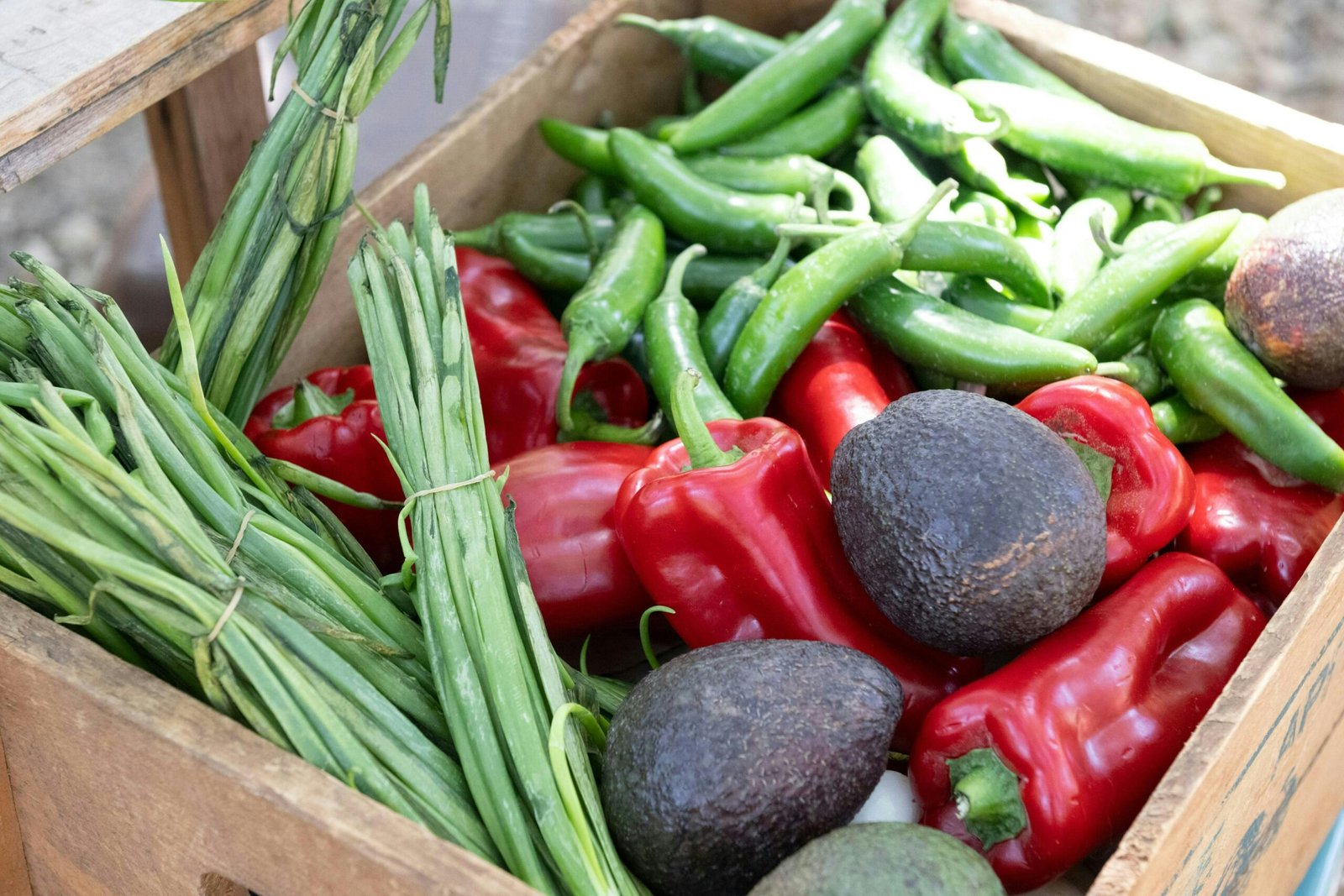
California cuisine represents a vibrant and diverse culinary landscape that showcases the state’s rich agricultural bounty. Often considered a blend of various influences, this unique cuisine encapsulates a variety of cooking styles and flavors from around the world. As one of the leading agricultural states in the United States, California is home to an abundance of fresh fruits, vegetables, and seafood, which play a vital role in its culinary traditions.
At the heart of California cuisine is the commitment to using seasonal and locally sourced ingredients. Farmers’ markets flourish across the state, providing chefs and home cooks with numerous opportunities to access the freshest produce. This dedication to freshness not only enhances the flavors of the dishes but also promotes sustainability and supports local economies. The state’s Mediterranean climate allows a wide range of produce to flourish, leading to a robust and dynamic food culture.
Moreover, California’s culinary scene is significantly shaped by the cultural melting pot present throughout the state. Influences from Mexican, Asian, and European cuisines blend seamlessly, resulting in innovative dishes that highlight bold flavors and fresh ingredients. This fusion creates a culinary tapestry that appeals to diverse palates and reflects the multicultural identity of California itself.
As we delve deeper into the specifics of California cuisine, the importance of mindful eating and healthy choices becomes increasingly apparent. The state prioritizes organic farming, farm-to-table dining, and artisanal food production. These practices ensure that the dishes not only celebrate flavors but also promote well-being and environmental consciousness. In summary, California’s culinary landscape is a reflection of its agricultural wealth, cultural diversity, and a commitment to sustainable eating practices, setting the stage for an exploration of delicious recipes and remarkable restaurants across the state.
Top California Recipes You Need to Try
California cuisine is celebrated for its emphasis on fresh, local ingredients, drawing inspiration from various cultural influences. Here are a few iconic recipes that encapsulate the essence of California’s culinary style, enabling home cooks to experience the flavors of the Golden State.
Fish Tacos are a quintessential Californian dish, originating from the coastal regions and often featuring fresh catches like mahi-mahi or rockfish. To recreate this recipe, start by marinating firm fish filets in lime juice, garlic, and chili powder. Grill the fish until it is cooked through and flaky. Warm corn tortillas are essential for serving, topped with a fresh cabbage slaw, avocado slices, and a drizzle of creamy chipotle sauce. This meal not only emphasizes the use of fresh seafood but also highlights California’s love for vibrant flavors.
Avocado Toast has become a breakfast staple, embodying the healthy dining trend prevalent across California. To prepare, simply mash ripe avocados with a squeeze of lemon juice, salt, and pepper. Spread the avocado mixture generously over a slice of toasted artisanal bread. For added texture and flavor, consider garnishing with radish slices, cherry tomatoes, or poached eggs. The dish showcases the region’s abundant avocado production and its commitment to health-conscious eating.
Santa Maria Style Barbecue is a testament to California’s rich agricultural heritage. This dish typically features tri-tip beef, seasoned with a simple mix of garlic salt, black pepper, and paprika, grilled over an open flame or red oak wood. Serve it sliced with a traditional salsa and a side of pinquito beans, capturing the essence of outdoor cooking so popular in the Central Coast region.
These recipes not only highlight California’s diverse palette but also reflect its culinary traditions that continue to inspire food lovers around the world.
Must-Visit Restaurants Across California
California’s diverse culinary landscape offers an abundance of dining experiences that reflect the state’s varied geography and cultural influences. From farm-to-table bistros in Northern California to oceanfront seafood shacks in Southern California, each region boasts its own unique establishments worthy of exploration. Here, we present a selection of noteworthy restaurants categorized by region.
Northern California: One standout eatery is The French Laundry in Yountville, which is renowned for its exquisite French cuisine and meticulously curated tasting menus. Chef Thomas Keller emphasizes seasonality and local sourcing, making each visit a distinctive experience. Nearby, Farallon in San Francisco is a haven for seafood lovers, celebrated for its sustainable fish offerings and atmospheric decor reminiscent of an underwater world, enhancing the overall dining journey.
Central California: In the heart of the Central Coast, Jocko’s Steak House in Nipomo captures diners with its legendary grilled steaks and rustic charm. The restaurant prides itself on serving high-quality meats, drawing patrons from afar. Further south in Santa Barbara, The Lark stands out for its inventive farm-to-table menu that showcases the local produce and artisanal products, all set in a vibrant communal dining atmosphere.
Southern California: Renowned for its fusion cuisine, n/naka in Los Angeles offers a sublime kaiseki dining experience crafted by Chef Niki Nakayama, where precision and artistry come together. For a more casual vibe, Bestia in the Arts District is celebrated for its house-made charcuterie and hand-crafted pizza, attracting both locals and tourists alike. These restaurants not only highlight the rich flavors of California but also demonstrate the state’s culinary innovation and diversity.
Emerging Food Trends in California
California has long been a crucible of culinary innovation, and recent years have witnessed the emergence of several food trends that are reshaping both dining culture and food preparation practices. Among these trends, plant-based eating is perhaps the most prominent. With a nationwide surge in health consciousness and environmental awareness, many Californians are embracing vegetarian and vegan diets, opting for meals that prioritize vegetables, grains, and legumes over animal products. Consequently, restaurants such as Gracias Madre in San Francisco and Crossroads Kitchen in Los Angeles are leading the charge, crafting delectable dishes that showcase the versatility of plant-based ingredients.
Another significant trend is sustainable sourcing, where chefs and food purveyors prioritize local and organic produce. The farm-to-table movement has gained traction, with restaurants actively seeking out nearby farms to supply fresh ingredients. This approach not only supports local economies but also minimizes the carbon footprint associated with transportation. Notable establishments, such as Blue Hill at Stone Barns, embody this ethos by building relationships with local farmers and promoting seasonal menus that reflect the best available produce.
Fusion cuisine also remains an integral aspect of California’s culinary landscape, as chefs experiment by blending flavors and techniques from diverse culinary traditions. The rich cultural tapestry of the state allows for creative interpretations that resonate with a wide audience. Restaurants like Koi in Los Angeles exemplify this trend, combining elements of traditional Asian cuisine with modern Californian influences. These dining innovations not only provide unique gastronomic experiences but also reflect the state’s diverse demographic makeup.
In summary, California’s culinary scene is evolving, characterized by plant-based eating, sustainable sourcing, and fusion cuisine. These trends are not only transforming the restaurant landscape but also encouraging both chefs and home cooks to rethink their practices and embrace a more sustainable and diverse approach to food.
Regional Specialties: A Taste of California’s Diversity
California’s culinary landscape is a vibrant tapestry woven from a multitude of regional specialties, reflecting the state’s diverse geography and rich agricultural bounty. Each area boasts its own unique flavors and preparation methods, contributing to the state’s reputation as a gastronomic paradise. From the sun-kissed coastline to the fertile valleys, California offers a plethora of distinctive dishes that celebrate local ingredients and cultural influences.
Along the coastline, particularly in cities like San Francisco and Santa Barbara, the seafood is a major highlight. Fresh catches such as Dungeness crab, Pacific salmon, and opalescent uni (sea urchin) dominate the menus, inviting culinary enthusiasts to savor their oceanic flavors. Restaurants often showcase these ingredients in inventive ways, from traditional clam chowder served in a sourdough bread bowl to sophisticated sushi that emphasizes the freshness of local fish.
As one moves inland to the Central Valley, the focus shifts toward hearty farm-to-table offerings. This region is known for its abundant produce, and establishments often create dishes that highlight seasonal vegetables, grains, and meats sourced from nearby farms. Signature items such as rich tomato-based pastas or robust barbecued meats reflect the agricultural roots and the homestyle cooking techniques prevalent in this area. Locally-produced wines enhance these meals, showcasing California’s flourishing viticulture.
In Southern California, the fusion of culinary traditions melds with health-conscious trends, producing an array of innovative dishes. Here, one can find vibrant tacos filled with grilled fish or avocado toast topped with spiced salmon, merging flavors from Mexican cuisine with contemporary health trends. This dynamic food scene highlights the global influences that make California’s culinary offerings so enticing.
Through its regional specialties, California stands as a testament to the agrarian heritage and diverse cultures that shape its culinary identity. Visitors and residents alike can enjoy an expansive array of dishes that embody both tradition and innovation, celebrating the state’s enduring love for food.
Celebrating California’s Farmers and Producers
California’s culinary scene proudly attributes its richness and diversity to the tireless work of local farmers and producers who emphasize quality and sustainability. This relationship between agriculture and cuisine not only enriches restaurants but also transforms home cooking across the state. The state, often referred to as the nation’s breadbasket, boasts a remarkable array of crops that contribute to its culinary identity, from vibrant fruits and vegetables to artisanal cheeses and sustainably raised meats.
One of the key players in this vibrant agricultural landscape is the dedicated farmer who embraces innovative practices to foster sustainability. For example, the use of water-efficient irrigation techniques and organic farming methods helps to maintain soil health while ensuring high-yield harvests. These farmers are pivotal in growing staple ingredients that inspire chefs and home cooks alike, creating dishes that highlight California’s abundant bounty.
Partnerships between farmers and local restaurants further exemplify this commitment to quality. Establishments such as farm-to-table restaurants often collaborate directly with producers, allowing chefs to curate menus that change with the seasons. Such initiatives encourage diners to experience the freshest ingredients while supporting local economies. Renowned establishments like Chez Panisse in Berkeley have long championed these ideas, setting the standard for how ingredients should be sourced, prepared, and celebrated.
Moreover, California’s farmers’ markets serve as a testament to this thriving relationship. These markets not only provide a platform for farmers but also engage the community in meaningful conversations about food origins, nutrition, and sustainability. Here, consumers gain access to seasonal produce, enhance their culinary skills, and develop a deeper appreciation for the labor behind each ingredient. As we explore California’s culinary delights, it is essential to acknowledge the farmers and producers who nourish our tables, ensuring that the flavors of this extraordinary state continue to flourish.
Food Festivals and Events in California
California is renowned for its vibrant food culture, and this is celebrated through numerous food festivals and culinary events that occur throughout the year. These festivals not only showcase the state’s diverse culinary heritage but also provide an opportunity for both locals and visitors to indulge in the rich flavors of California’s cuisine. From bustling farmer’s markets to prestigious gastronomic showcases, there is an event for every food enthusiast.
One of the most significant events is the California Artisan Cheese Festival, held annually in Petaluma. This festival emphasizes the state’s artisanal cheese producers and offers tastings, workshops, and opportunities to meet cheese makers. Attendees often gain valuable insights into the cheese-making process while enjoying various pairing options with wines from local vineyards.
Another noteworthy event is the Los Angeles Food & Wine Festival, which attracts culinary talent from across the nation. This prestigious festival features exclusive tastings, cooking demonstrations, and intimate dinners hosted by acclaimed chefs. Visitors have the chance to savor innovative dishes paired with fine wines, making this a highlight for food lovers.
The San Diego Bay Wine + Food Festival also deserves mention, bringing together renowned chefs, prominent wineries, and breweries for a week-long celebration of culinary excellence. This event offers interactive experiences that allow attendees to engage in cooking classes and tastings while enjoying live entertainment. Additionally, local farmer’s markets, like the one in Santa Monica, provide a more casual but equally delightful way to experience fresh, local produce and artisanal products.
Throughout the year, various street fairs and community events, such as the Great American Beer Festival and neighborhood cook-offs, highlight California’s culinary diversity. These numerous festivals and events foster community spirit while promoting local agriculture, artisanal goods, and innovative foods, thereby enriching the state’s culinary landscape.
Cooking Techniques Unique to California Cuisine
California cuisine is renowned for its innovation, freshness, and a diverse array of culinary techniques that reflect the state’s rich agricultural bounty and cultural fusion. Among these techniques, grilling, smoking, and raw preparations stand out, each adding unique flavors and presentations to dishes. The emphasis on the quality of ingredients profoundly influences the way these methods are applied, allowing the natural taste of California’s produce, seafood, and meats to shine through.
Grilling is particularly prevalent in California cooking, celebrated for its ability to char the exterior of food while maintaining moisture within. This technique complements the vibrant flavors found in fresh vegetables, succulent meats, and even fruits. Californians often take advantage of outdoor living, where the grill becomes a centerpiece for not just cooking but also social gatherings. Typical California grilled dishes may include marinated tri-tip steak or seasonal vegetable skewers, showcasing the state’s love for local and sustainable ingredients.
Smoking, another favored technique, adds depth and complexity to various foods. Whether utilizing traditional wood chips or modern electric smokers, California chefs explore types of wood that complement the flavors of the ingredients being smoked. Salmon, brisket, and even artisanal cheeses often undergo this transformation, which introduces a luscious smokiness that enhances enjoyment and encourages culinary creativity.
Raw preparations, exemplified by dishes such as ceviche and poke, reflect California’s proximity to the ocean and a deep appreciation for fresh, high-quality seafood. This technique relies on the natural acidity of citrus or vinegar to ‘cook’ the proteins without heat, preserving the raw flavors and textures that are integral to many coastal dishes. This approach not only highlights the freshness of ingredients but also embodies California’s focus on health-conscious dining.
Through these techniques, California cuisine continues to evolve, encouraging home cooks and professional chefs alike to embrace the diversity of methods available, leading to a dynamic culinary experience.
Conclusion: The Future of California Cuisine
California cuisine has long been known for its innovative approach, blending diverse culinary influences with fresh, local ingredients. As we reflect on the evolution of this vibrant food culture, it’s evident that the future holds even more exciting transformations. The culinary landscape in California is likely to be shaped by several current trends that emphasize sustainability, health consciousness, and global flavors.
One of the most prominent trends is the ever-increasing demand for sustainable practices in food sourcing and restaurant operations. Many California chefs are prioritizing organic and locally-sourced ingredients, thus reducing their carbon footprint and promoting environmental stewardship. This movement not only supports local farmers but also encourages a farm-to-table philosophy, ensuring that diners experience the freshness and quality of the region’s produce. As these practices gain greater traction, it is expected that a focus on sustainability will become a defining aspect of California cuisine.
Another trend that appears to be shaping the future is the growing interest in plant-based diets. The rise in veganism, vegetarianism, and conscious eating is prompting many California restaurants to diversify their menus. As consumers become more health-conscious, chefs are inspired to create dishes that not only appeal to traditional tastes but also highlight the benefits of plant-based eating. The creative utilization of vegetables and alternative proteins is likely to redefine culinary offerings across the state.
Moreover, California’s diverse cultural landscape will continue to inspire novel culinary fusions. Asian, Latin American, Mediterranean, and other cultural influences will blend seamlessly, creating new dining experiences that are both unique and reflective of the state’s demographic diversity. As the food scene continues to evolve, it is crucial for enthusiasts and culinary professionals alike to stay engaged and embrace the changes that define California’s cuisine. The future is bright for this dynamic food culture, promising a delightful journey for both chefs and diners.