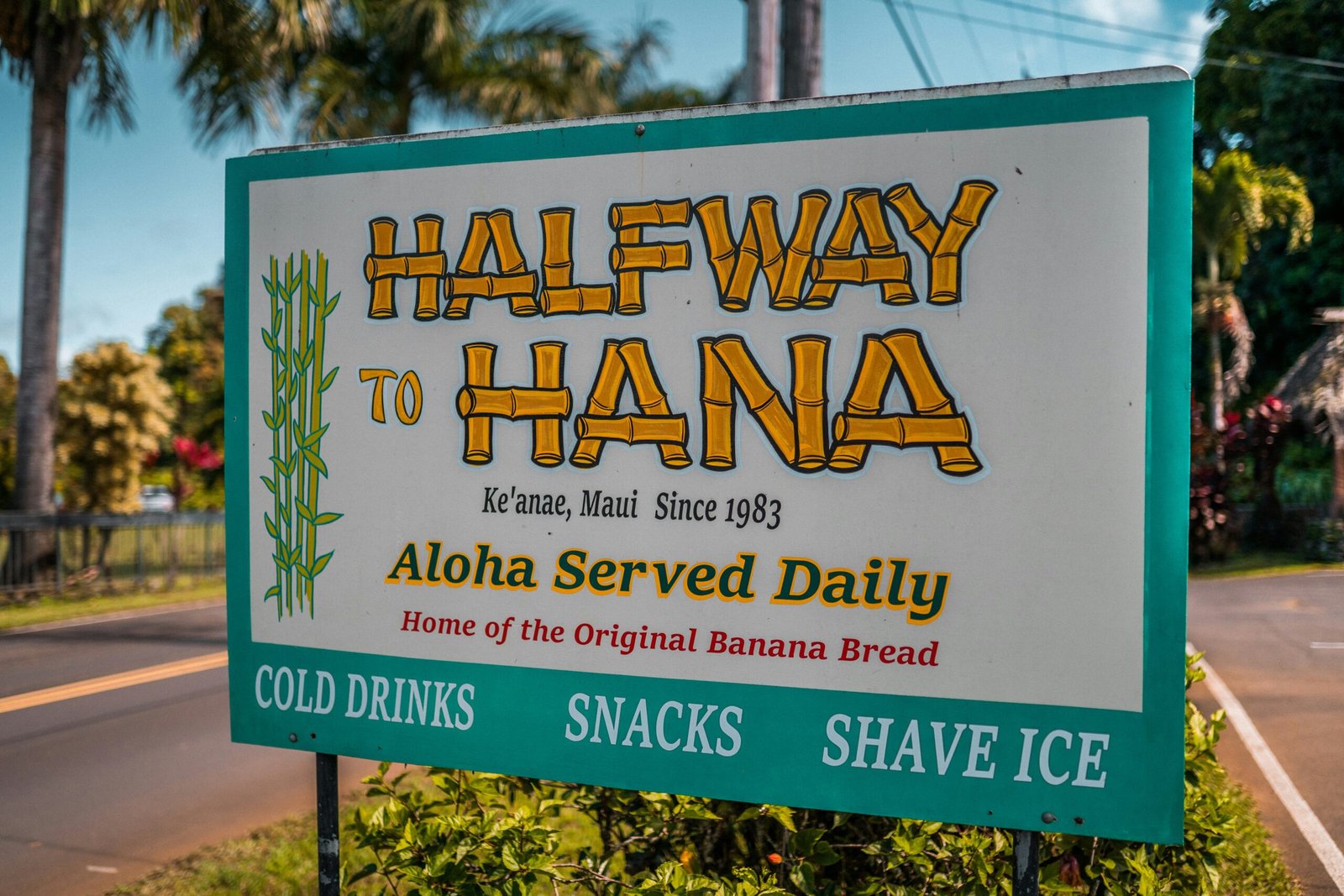
Introduction to Hawaiian Cuisine
Hawaiian cuisine is a vibrant and diverse tapestry woven from the cultural, historical, and environmental threads that characterize the islands. The culinary landscape of Hawaii is significantly influenced by the rich heritage of native Hawaiian food traditions, which prioritize fresh, local ingredients and traditional cooking methods. These practices are complemented by an array of Asian and American flavors that have been introduced through waves of immigration and cultural exchange.
The native Hawaiian diet originally consisted of staples such as taro, sweet potatoes, and fish, showcasing a deep connection to the land and sea. Taro, in particular, is a foundational component, often prepared as poi—a traditional dish that holds cultural significance. As the islands were settled by Polynesian navigators, the culinary repertoire began to expand, incorporating unique techniques such as imu cooking, where food is slow-roasted in an underground oven, creating distinctive flavors and textures.
In addition to native influences, the arrival of immigrants from Asia, including Japanese, Chinese, Korean, and Filipino populations, has enriched Hawaii’s culinary traditions, leading to the development of iconic dishes like poke, loco moco, and Spam musubi. These multicultural elements reflect the islands’ history and the harmonious blending of different cooking styles and ingredients, making Hawaiian cuisine a remarkable fusion of tastes.
Moreover, the significance of local ingredients cannot be overstated. From fresh seafood to tropical fruits and vegetables, the emphasis on using what is locally available not only supports sustainability but also highlights the unique flavors of the islands. With a focus on both traditional and modern techniques, Hawaiian cuisine serves as a testament to the islands’ rich history and the dynamic interplay of different cultures. As we embark on this culinary journey through Hawaii, one can begin to appreciate the multifaceted nature of its food and the stories that each dish tells.
Top Local Recipes from Hawaii
Hawaii’s culinary landscape is rich and diverse, reflecting its unique blend of cultures and traditions. Among the cherished recipes that capture the essence of Hawaiian cooking, three dishes stand out: poke, loco moco, and Hawaiian plate lunches. Each of these recipes offers a glimpse into the heart of Hawaiian cuisine, showcasing fresh ingredients and bold flavors.
Poke is a traditional Hawaiian dish that consists of diced raw fish, typically ahi tuna, seasoned with various ingredients such as soy sauce, sesame oil, and sea salt. This dish can be traced back to native Hawaiian fishermen who would prepare their catch with simple seasonings. To make poke at home, one will need approximately 1 pound of fresh, sushi-grade fish, 3 tablespoons of soy sauce, 1 tablespoon of sesame oil, and any garnish of choice, such as chopped green onions or seaweed. Simply dice the fish into bite-sized cubes, mix the ingredients together, and let it marinate for about 15 minutes before serving.
Loco Moco is a comforting dish created in the 1940s, popular among locals for its hearty composition. It consists of a bed of rice topped with a hamburger patty, a fried egg, and smothered in rich brown gravy. To prepare loco moco, one requires 2 cups of cooked white rice, 2 hamburger patties, 2 eggs, and 1 cup of brown gravy. Cook the patties to your liking, fry the eggs sunny-side up, and layer them over the rice before pouring the warmed gravy on top. This dish epitomizes the fusion of influences in Hawaiian food culture.
Hawaiian plate lunches offer a delightful assortment of dishes served on a single plate. These lunches typically include a protein (like teriyaki chicken or kalua pork), served with rice and macaroni salad. This meal is a staple in Hawaiian eateries, often reflecting local flavors and cooking styles. To create a plate lunch at home, one can grill marinated chicken, prepare a side of macaroni salad using elbow pasta, mayonnaise, and vegetables, and serve alongside steamed rice for a satisfying meal.
Together, these iconic recipes embody Hawaiian culinary traditions, inviting home cooks to delve into the vibrant flavors of the islands. The use of fresh, local ingredients ensures a memorable dining experience that is quintessentially Hawaiian.
Kalua Pig
One of the most beloved dishes in Hawaiian cuisine is kalua pig. Traditionally prepared in an underground oven known as an imu, kalua pig is a staple at luau celebrations and gatherings. The process involves seasoning a whole pig with sea salt and wrapping it in banana leaves before slow-cooking it underground for several hours. This technique not only imparts a unique flavor but also results in incredibly tender meat that easily shreds apart. The smoky notes from the wood and leaves add depth to the dish, making it a cherished favorite among locals and visitors alike.
Haupia
Haupia is a delightful coconut milk-based dessert that has secured its place in the hearts of many Hawaiians. Often served as a gelatin-like pudding, haupia boasts a creamy texture and a refreshing taste that perfectly complements rich, savory meals. Traditionally, it is made using coconut milk, sugar, and cornstarch, which are cooked together until thickened. Haupia is commonly featured at luaus and weddings, often enjoyed on its own or used as a filling in various desserts such as pies and cakes. Its simplicity and tropical flavor make it a beloved dessert throughout the islands.
Spam Musubi
Spam musubi is distinctively recognized as a testament to Hawaii’s unique fusion of culinary traditions. This portable snack combines grilled slices of Spam atop a block of sushi rice, wrapped together with a sheet of nori (seaweed). Its origins date back to World War II when Spam became a popular protein source. The dish has evolved over the years, with many variations and flavors now available. Spam musubi can be found in convenience stores, restaurants, and home kitchens, representing a nostalgic yet transformative aspect of Hawaiian comfort food.
Food Trends Influencing Hawaii’s Culinary Scene
Hawaii’s culinary scene is currently undergoing a transformative phase, driven by several prominent food trends that reflect the islands’ vibrant culture and its connection to the land. One of the most significant trends is the farm-to-table movement, which emphasizes the importance of sourcing ingredients locally. This approach not only supports local farmers but also promotes sustainability and freshness in dining. Chefs across Hawaii are increasingly incorporating seasonal produce and proteins, showcasing the rich agricultural tapestry of the islands. By integrating locally grown fruits, vegetables, and ethically sourced seafood, restaurants are able to deliver authentic flavors while fostering connections with the community.
Another notable trend impacting the culinary landscape in Hawaii is the surge in plant-based diets. As health consciousness rises among consumers, many establishments are responding by expanding their menus to include a variety of vegan and vegetarian options. Chefs are experimenting with innovative recipes that substitute traditional proteins with plant-based alternatives, creating dishes that appeal to both vegans and non-vegans alike. This shift not only caters to dietary preferences but also aligns with the growing awareness of sustainability and environmental concerns, reinforcing the relationship between food choices and ecological impact.
Furthermore, fusion cuisine is rapidly gaining traction in Hawaii, as chefs blend traditional Hawaiian flavors with global culinary influences. This creative intersection results in unique dishes that honor heritage while also embracing innovation. For instance, you might find poke bowls featuring Asian-inspired seasonings, or lomi lomi salmon served with Mediterranean ingredients. Such culinary amalgamations provide a dynamic dining experience, enticing both locals and tourists to explore new flavors. Insights from local chefs and food bloggers reveal a passionate commitment to enhancing Hawaii’s culinary identity, driven by loyalty to traditions while encouraging modern interpretations.
Spotlight on Local Ingredients
Hawaiian cuisine is distinguished not only by its diversity but also by the unique local ingredients that play a pivotal role in its flavor profiles. Among these, taro holds great cultural significance, serving as a staple food for native Hawaiian communities. Known as “kalo” in Hawaiian, taro is a root vegetable that not only provides essential nutrients but also features prominently in traditional dishes such as poi. Poi, made from steamed and mashed taro, is a symbol of Hawaiian culture and showcases the versatility of this ingredient. It is often served at luaus and special occasions, embodying the rich heritage of the islands.
Another prominent ingredient is the macadamia nut, which hails from Australia but has found a beloved place in Hawaiian cooking. These nuts are celebrated for their rich, buttery flavor and can be used in numerous ways—from being a key ingredient in desserts like macadamia nut cookies to being utilized in savory dishes. They are also often processed into oils or butters, adding a distinct taste to various recipes, while also bolstering health benefits, including healthy fats and antioxidants.
Hawaii’s tropical climate allows for the flourishing of a range of fruits that contribute to the islands’ culinary landscape. Pineapples, perhaps the most iconic of Hawaiian fruits, are not only enjoyed fresh but also incorporated into savory dishes, grilled, or blended into tropical beverages. Other tropical fruits such as mangoes, guavas, and papayas are also key in local cooking, bringing vibrant colors and refreshing flavors to salads, smoothies, and salsas. These local ingredients not only enhance the taste of Hawaiian dishes but also serve as a testament to the region’s agricultural bounty, connecting the islands’ culinary practices to their fertile lands and rich traditions.
Must-Visit Restaurants in Hawaii
Hawaii boasts a vibrant culinary scene that reflects its rich cultural heritage and diverse flavors. When visiting the islands, sampling authentic dishes at iconic restaurants is essential for a true gastronomic experience. Below are some top-rated establishments that stand out for their unique offerings and commitment to Hawaiian traditions.
One of the must-visit dining spots is Ono Seafood, located in Honolulu. Known for its poke, Ono Seafood offers a variety of fresh, high-quality fish, marinated to perfection. The restaurant prides itself on sustainability and sourcing local ingredients, making it a favorite among locals and tourists alike. Their poke bowls are an epitome of Hawaiian cuisine, showcasing flavors that are both refreshing and satisfying.
Another noteworthy mention is The Pig and the Lady, also in Honolulu. This restaurant combines traditional Vietnamese cuisine with Hawaiian elements, creating a fusion that is distinct yet wholly representative of the islands. Their specialty, the pho, features a locally sourced broth infused with tropical herbs, garnished with incredibly fresh ingredients. The vibrant atmosphere and innovative menu make it a hotspot for food enthusiasts seeking something unique.
Moving to Maui, Mama’s Fish House is a renowned destination that perfectly captures the essence of island dining. With stunning ocean views, this restaurant specializes in seafood dishes caught daily by local fishermen. Their signature dish, the Mahi Mahi, is prepared with seasonal ingredients and a love for island flavors. The inviting ambiance, together with exceptional service, enhances the overall dining experience.
In Kauai, Bar Acuda stands out as a farm-to-table gem. This restaurant emphasizes seasonal and locally sourced ingredients, with a menu that alters frequently to reflect the freshest offerings. The coconut curry mussels are a local favorite, showcasing the best of Hawaiian seafood and produce. The concept of sustainable eating resonates deeply with patrons, enhancing its reputation among the community.
Hidden Gems: Lesser-Known Food Spots
While Hawaii is renowned for its iconic tourist destinations and popular dining spots, a treasure trove of hidden gems awaits discovery for those willing to venture off the beaten path. These lesser-known eateries and food trucks offer a unique perspective on Hawaiian cuisine, showcasing authentic flavors that are deeply rooted in local traditions. Here, we explore some of these charming establishments that reflect the true culinary spirit of the islands.
One such spot is Ono Hawaiian Foods, a small family-owned eatery located in Honolulu. Known for its delectable plate lunches, the restaurant prides itself on using fresh, local ingredients. Its traditional offerings like laulau and kalua pig provide a genuine taste of home-cooked Hawaiian grub. What sets Ono Hawaiian Foods apart is its inviting atmosphere, where both locals and visitors feel like part of a large family, enjoying meals made with care and passion.
Further afield is Gina’s BBQ, a hidden gem found in the vibrant town of Waianae. This unassuming food truck serves up mouthwatering barbecue chicken, accompanied by a tangy secret sauce that keeps customers coming back for more. Originally operating out of a backyard, Gina’s BBQ has since grown in popularity due to its dedication to authentic flavor and community support. Diners can relish their meals while surrounded by the natural beauty of Waianae’s coastline.
For those craving something sweet, Haleʻiwa Bowls on the North Shore offers a refreshing twist on the classic acai bowl. Although the joint gained traction quickly, it retains a local vibe, with its colorful, fruit-topped bowls drawing crowds who appreciate the commitment to organic and sustainable ingredients. The laid-back atmosphere encourages patrons to linger and enjoy their meals under the sun.
These eateries exemplify the diverse culinary landscape of Hawaii, beckoning food enthusiasts to explore the islands’ authentic, lesser-known flavors. Whether you’re seeking traditional fare or innovative twists on local staples, these hidden gems promise to deliver an unforgettable dining experience that reflects the essence of Hawaii’s culinary heritage.
The Role of Food Festivals in Hawaii
Hawaii boasts a vibrant food festival scene that reflects the rich culinary traditions and diverse cultural influences of the islands. These food festivals play a significant role in bringing together various stakeholders, including local farmers, chefs, artisans, and food enthusiasts, to celebrate Hawaiian cuisine while promoting a sustainable food movement. Through a series of events centered around local dishes, festival attendees gain insight into the unique ingredients sourced from Hawaii’s fertile lands and surrounding waters.
Among the most notable of these culinary gatherings is the Honolulu Festival, which not only highlights the artistic and cultural facets of Hawaii but also emphasizes the island’s diverse gastronomic offerings. The festival serves as a platform for local chefs to showcase their creativity, featuring traditional Hawaiian culinary techniques alongside contemporary innovations. Attendees can indulge in an array of dishes prepared with fresh, locally sourced ingredients, offering a true taste of Hawaii’s unique flavors.
Another key event, the Hawaii Food & Wine Festival, garners international attention and celebrates the craftsmanship of exceptional chefs from Hawaii and beyond. This festival provides a space for culinary experts to collaborate, innovate, and share their passion for flavors, often incorporating fresh produce from local farms. By supporting local agriculture, these festivals contribute to the sustainability of Hawaii’s food system and inspire new generations to appreciate Hawaiian culture and cuisine.
Overall, food festivals in Hawaii serve not only as celebrations of local gastronomy but also as vital platforms for education and advocacy. They help build connections between consumers and producers, fostering an appreciation for locally grown ingredients while reinforcing the importance of preserving Hawaiian food heritage. Through participation in these vibrant events, attendees deepened their connection to the island’s culinary landscape, ensuring that it continues to thrive in the future.
Conclusion: Embracing the Spirit of Aloha through Food
In Hawaiian culture, the act of sharing meals is much more than just sustenance; it is a celebration of community, heritage, and the essence of the ‘Aloha Spirit’. Food plays a pivotal role in fostering connections among individuals and representing the islands’ rich cultural tapestry. From traditional dishes such as poi and kalua pork to contemporary creations that incorporate diverse influences, Hawaiian cuisine reflects the melting pot of flavors that defines the archipelago.
Dining in Hawaii transcends the basic need for nourishment, offering a unique opportunity to bond with family and friends. Through communal dining experiences, local customs are honored, and stories are shared, reinforcing the connections that bind the community. Whether one is attending a luau, enjoying a plate lunch, or indulging in a poke bowl at a beachside eatery, each meal serves as a reminder of the warmth and hospitality that Hawaii is renowned for.
Exploring Hawaiian cuisine is not only about the ingredients and preparation but also about embracing the inviting spirit that welcomes individuals from all walks of life. The ‘Aloha Spirit’ can be experienced in local restaurants where chefs often take inspiration from their cultural heritage to craft innovative dishes. It encourages everyone to savor each bite with mindfulness, understanding that food carries with it the stories and traditions of generations.
As you embark on your culinary journey through Hawaii, allow the flavors to transport you to the islands, inviting you to appreciate both the food and the culture intertwined within it. Be it cooking at home or enjoying a local feast, immersing oneself in Hawaiian cuisine fosters a greater connection to the community and its enduring traditions. Take a moment to embrace the ‘Aloha Spirit’ through food, savoring the experiences that come with it.