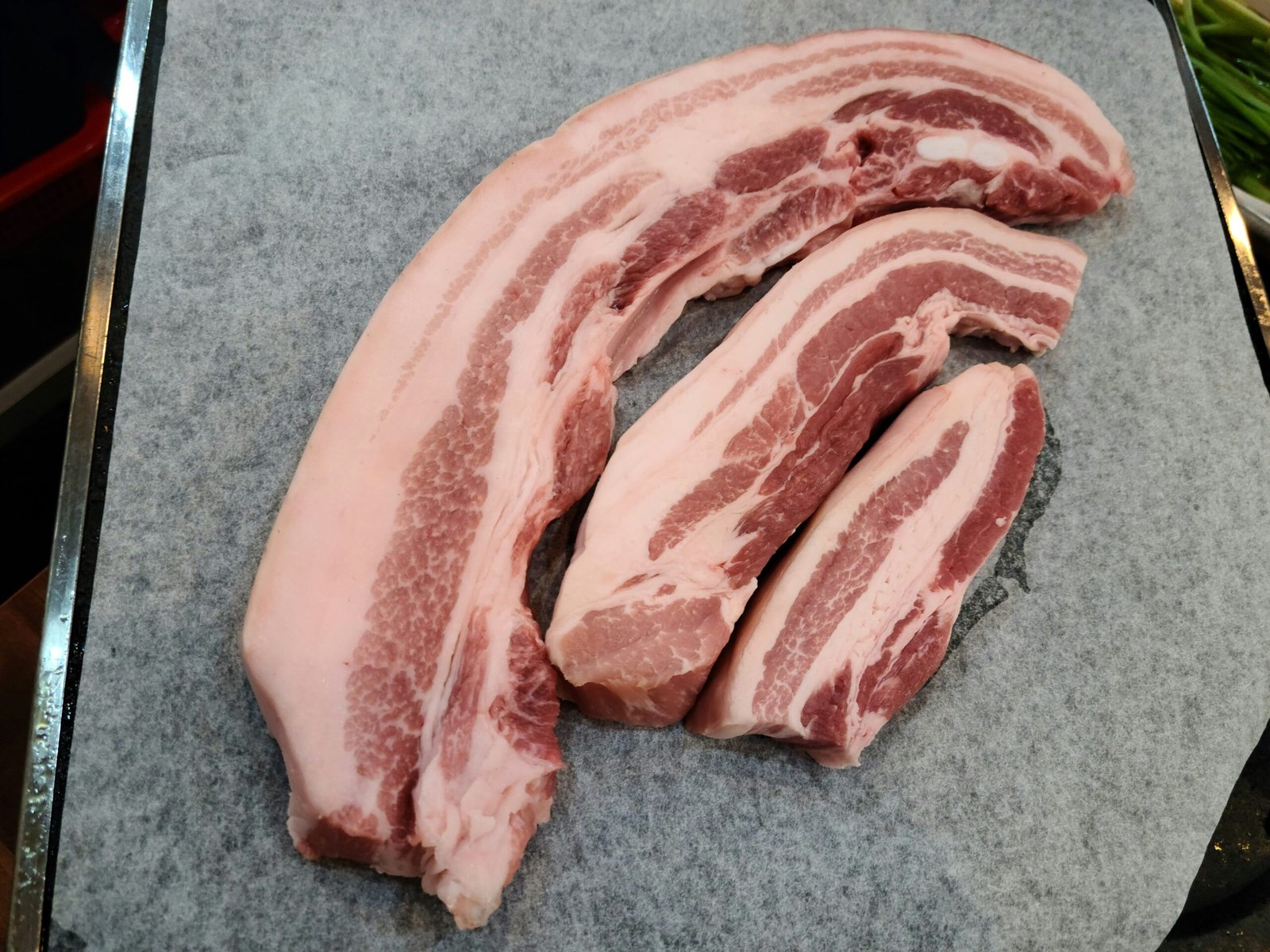
Introduction to Bellota Pork
Bellota pork is a distinguished delicacy that originates from Spain, particularly from the Iberian Peninsula, where the black-footed pig, known as the Iberian pig, is reared. This unique breed of pig is renowned for its high-quality meat, which has garnered international acclaim. The term “bellota” translates to “acorn” in Spanish, highlighting one of the key aspects associated with this exquisite product. The pigs are raised in extensive pasturelands where they feed primarily on acorns, a practice that deeply influences the flavor, texture, and overall quality of the meat.
The Iberian pig is characterized by its black hoofs and a distinctive genetic makeup that allows it to accumulate intramuscular fat, resulting in an unparalleled marbling. This fat, in conjunction with the acorn-rich diet, contributes to the unique nutty flavor and tender texture of Bellota pork. The process of feeding on acorns, particularly during the acorn season, supports the development of high-quality fats rich in oleic acid, which is beneficial for heart health and adds to the meat’s exquisite taste.
In Spanish cuisine, Bellota pork is revered not only for its flavor but also for its cultural significance. It represents a commitment to traditional farming practices, sustainability, and the art of slow-cured ham production, notably in products like Jamón Ibérico de Bellota. The careful cultivation and fattening of these pigs under natural conditions reflect a rich heritage that has been passed down through generations. The remarkable qualities of Bellota pork make it a product of great pride for Spanish producers and a sought-after culinary experience for food enthusiasts worldwide.
The History of Iberian Pigs
The Iberian pig, renowned for its culinary significance, has a rich history that dates back over a thousand years in the diverse landscapes of the Iberian Peninsula. These pigs are believed to have originated from the native wild boar, which thrived across the region. Their domestication began during the Roman Empire, where they were integrated into agricultural practices, providing both meat and fat that were essential for the sustenance of rural communities. As Spain’s agricultural landscape evolved, so too did the breeding practices of Iberian pigs, leading to the emergence of distinct subtypes characterized by varying physical traits and flavors.
Throughout the Middle Ages, the significance of these pigs continued to grow as their high-quality meat became a sought-after delicacy. The unique environment of the Iberian countryside, with its extensive oak forests, played a crucial role in the development of Iberian pigs. These acorns, referred to as “bellota,” are a natural and vital part of their diet, imparting a distinctive flavor to the pork that is celebrated today. Traditional farming methods, including the use of extensive free-range systems, have further contributed to the unique characteristics of this livestock.
Culturally, the Iberian pig holds immense value in Spanish gastronomy, often symbolizing the rich culinary heritage and regional identities. Its presence in local festivals and agricultural fairs highlights its significance to Spanish farmers and food enthusiasts alike. The remarkable journey of the Iberian pig through history, from wild boar origins to becoming a centerpiece of gastronomic excellence, underscores the intertwining of agriculture and culture in Spain. As breeding practices continue to evolve, preserving the traditional methods remains essential to maintaining the quality and heritage of these exquisite animals.
The Acorn Diet: What Makes it Special?
The Iberian pig, particularly the famed black-footed variety, is renowned for its unique diet, which significantly influences the flavor profile and quality of the pork it produces. Central to this diet is the acorn, which becomes particularly abundant during the montanera season, extending from October to March. During this time, these pigs roam freely in vast dehesa pastures, where they can forage for acorns among the oak trees, making it a crucial period for their development and the resulting product.
The acorn diet is not only rich in energy but also high in monounsaturated fats, particularly oleic acid, which is known for its health benefits and contributes to the formation of the marbled fat characteristic of high-quality Bellota pork. This fat is essential, as it enhances the meat’s tenderness and flavor. As the pigs consume acorns, their bodies convert these nutrients into a complex flavor profile, resulting in pork that is buttery, rich, and distinctively flavorful.
Beyond flavor and texture, the acorns play a vital role in the overall health of the pigs. These nuts are packed with essential nutrients, including vitamins and minerals, which aid in the growth and maintenance of the pigs. This natural diet allows Iberian pigs to build a substantial layer of healthy fat, which is crucial for producing the coveted Bellota ham. The high nutrient density of acorns ensures that the animals thrive in their environment, leading to healthier pigs that produce superior pork.
In summary, the acorn diet of Iberian pigs is a fundamental aspect of what makes Bellota pork exceptional. This natural foraging behavior not only affects the meat’s flavor, texture, and fat composition but also contributes to the overall health of these remarkable animals. The montanera season and the pigs’ unrestricted access to acorns are integral to the esteemed culinary status of Bellota pork in Spain and beyond.
The Unique Characteristics of Bellota Pork
Bellota pork is a distinctive product derived from the Iberian breed of pigs, specifically raised in Spain. One of its most notable characteristics is its exceptional marbling, which refers to the delicate fat interspersed within the muscle tissues. This marbling not only enhances the aesthetics of the meat but plays a crucial role in achieving an unparalleled depth of flavor and tenderness. Unlike conventional pork, which often lacks this level of marbling, Bellota pork offers a richer and more succulent experience for the palate.
The flavor profile of Bellota pork is another aspect that firmly establishes its superiority. The pigs are primarily raised on a diet of acorns, which contributes significantly to the unique taste of the meat. This diet allows them to produce intramuscular fat rich in oleic acid, closely resembling that found in high-quality olive oil. As a result, chefs regard Bellota pork as an exquisite ingredient, perfect for a variety of culinary applications. In comparison to standard pork, which tends to have a more uniform and less complex flavor, Bellota provides a deep, nutty richness that elevates any dish in which it is used.
Furthermore, the texture of Bellota pork is distinctively tender, owing to its unique fat composition and the pigs’ free-range lifestyle. These pigs engage in natural foraging behavior, which not only improves their overall health but also enhances the physical qualities of the meat. This combination leads to a melt-in-the-mouth experience that is hard to replicate with other types of pork. Thus, culinary experts often choose Bellota pork for high-end dishes where quality and flavor are paramount ingredients, illustrating how its unique characteristics set it apart from other pork varieties.
The Artisan Production Process
The production of Bellota pork, renowned for its exceptional flavor and quality, is rooted in traditional farming practices that prioritize animal welfare and sustainability. The black-footed pigs, known as “Iberian pigs,” are raised extensively in the dehesa, a Mediterranean woodland ecosystem that provides a natural habitat rich in acorns, grass, and herbs. This environment is crucial for the pigs’ diet, which is comprised primarily of acorns during the montanera season, providing them with the unique fatty marbling that defines Bellota pork.
The raising of these pigs follows a meticulous process that underscores artisanal practices. Farmers typically allow the pigs to roam freely, promoting natural behaviors that contribute to their health and well-being. This extensive free-range system is essential not only for the ethical treatment of the animals but also for the distinctive flavor profile of the meat. The emphasis on animal welfare ensures that the pigs are raised in conditions that are as close to their natural habitat as possible, thereby enhancing their overall quality.
As the pigs reach maturity, the slaughtering process adheres to strict regulations to maintain high welfare standards. Following humane methods, the animals are processed while minimizing stress, which is critical in preserving the quality of the meat. Once the pork is harvested, traditional aging and curing methods are employed. This involves salting and drying the meat, allowing for the development of complex flavors. The aging process can take several months to years, depending on the cut and desired characteristics, further intensifying the taste profile that aficionados of Bellota pork cherish.
Ultimately, the artisan production of Bellota pork is a blend of time-honored techniques and a profound respect for the animals. This dedication not only produces some of the finest pork in the world but also celebrates Spain’s rich culinary heritage.
Chefs Who Champion Bellota Pork
Bellota pork, celebrated for its unique flavor and superior quality, has been embraced by a multitude of renowned chefs and restaurants around the globe. These culinary experts not only showcase Bellota pork on their menus but also highlight its distinctive characteristics through innovative dishes that elevate this premium ingredient. Chefs recognize that utilizing Bellota pork, sourced from the prized Iberian black-footed pig, offers a depth of flavor that is unmatched and provides diners with an exquisite gastronomic experience.
One prominent chef who champions Bellota pork is José Andrés, an acclaimed Spanish-American culinary figure. At his restaurant, Jaleo, Andrés features dishes that display the richness of this exceptional meat, allowing it to shine in presentations such as thinly sliced jamón Ibérico and hearty, flavorful stews. His approach emphasizes the importance of sourcing high-quality, sustainable ingredients, which aligns perfectly with the ethos of serving Bellota pork—a product entwined with tradition and artisan production processes.
Another notable advocate is chef Enrique Olvera, known for his innovative use of Mexican flavors. At his acclaimed restaurant, Pujol, Olvera incorporates Bellota pork into his seasonal menu, often highlighting its balance of richness and complexity in dishes that push the boundaries of traditional cuisine. He asserts that using sustainable, high-quality ingredients like Bellota pork not only enhances the dish but also respects the culinary heritage from which such ingredients originate.
These chefs, alongside many others, engage in a broader movement within modern gastronomy that prioritizes ethical sourcing and the celebration of cultural traditions. By incorporating Bellota pork into their cuisine, they not only showcase its unique attributes but also inspire a growing appreciation for this remarkable ingredient among food enthusiasts worldwide.
Culinary Applications: Dishes featuring Bellota Pork
Bellota pork, renowned for its rich flavor and tender texture, has found its place in both traditional and contemporary Spanish cuisine. The unique qualities of this exquisite meat result from the black-footed Iberian pigs’ diet of acorns, which imparts a distinct nutty and sweet flavor profile. Various dishes highlight the versatility of Bellota pork, enabling chefs to showcase its characteristics through creative culinary applications.
One of the most celebrated preparations is the traditional Spanish dish known as “Iberico de Bellota,” which features thinly sliced, cured Bellota ham. This dish exemplifies simplicity, allowing the flavors of the pork to shine. The ham is often served on its own or paired with crusty bread and a drizzle of high-quality olive oil, enhancing its natural richness. Additionally, a classic “Pintxo” often incorporates Bellota pork, where small bites are assembled with accompaniments such as marinated peppers, olives, or artisanal cheeses, creating a delightful combination of textures and flavors.
Beyond traditional offerings, Bellota pork has made its way into modern gastronomy. Chefs are increasingly experimenting with innovative cooking techniques such as sous-vide to elevate the tenderness of the meat while maintaining its flavor integrity. Dishes like Bellota pork belly served with seasonal vegetables exemplify this trend. Accompanying sauces, such as a reduced red wine or a flavorful mole, can enhance the dish’s depth and complexity, showcasing the versatility of this luxurious ingredient.
When it comes to presentation, Bellota pork should be showcased thoughtfully. Utilizing natural, rustic elements like wooden boards or slate platters allows the rich colors and textures of the meat to stand out. Garnishing with fresh herbs or edible flowers can further enhance the visual appeal of the dish, providing both an aesthetic and culinary experience that celebrates the heritage of Bellota pork.
Health Benefits of Bellota Pork
Bellota pork, derived from the black-footed Iberian pig, is renowned not only for its distinctive flavor but also for its nutritional benefits. When compared to conventional pork varieties, Bellota pork possesses a unique nutritional profile that can contribute positively to a balanced diet. Rich in healthy fats, particularly monounsaturated fats, this pork is lower in saturated fat content, which makes it a preferable option for those mindful of heart health.
One of the prominent advantages of Bellota pork is its high levels of oleic acid, a type of monounsaturated fat that is also found in olive oil. This beneficial fat has been associated with improved cholesterol levels, enhancing cardiovascular health. Regular consumption of this nutritious meat, in moderation, can contribute to better lipid profiles, reducing the risk of heart disease.
Moreover, Bellota pork is an excellent source of high-quality protein, essential for muscle maintenance and overall health. Protein plays a critical role in bodily functions, including immune response and hormone production. By including moderate portions of Bellota pork in one’s diet, individuals can enjoy a flavorful source of protein while also benefiting from its amino acid profile.
In addition to healthy fats and protein, Bellota pork is rich in various vitamins and minerals, such as zinc, iron, and vitamin B12. Zinc is crucial for immune function, while iron plays a vital role in oxygen transport in the bloodstream. Vitamin B12 is essential for neurological health and DNA synthesis. This nutrient density underscores the value of Bellota pork as more than just a culinary delight.
However, responsible consumption remains paramount. While Bellota pork offers several health benefits, moderation is key due to its calorie density. Balancing its inclusion with a diverse diet of fruits, vegetables, and whole grains will maximize health benefits while mitigating potential risks associated with overconsumption of any meat.
Conclusion: The Importance of Bellota Pork in Spanish Culture
Bellota pork holds profound significance in Spanish culture, extending beyond its status as a gourmet delicacy to encompass rich culinary traditions. This unique pork, derived from the black-footed Iberian pig, is celebrated not only for its exquisite flavor but also for its cultural heritage. The term “bellota,” which translates to acorn, reflects the pigs’ diet in the oak forests of Spain, a practice that underscores the traditional farming methods employed in the region. The resulting meat is noted for its characteristic marbling and buttery texture, making it a staple in Spanish gastronomy.
Furthermore, Bellota pork serves as a symbol of community and heritage, linking generations of Spanish families with age-old practices of rearing and nurturing pigs in a sustainable manner. Its production is often characterized by extensive free-range grazing, promoting biodiversity and fostering a deep connection to the land. The careful handling and preparation of this pork demonstrate a commitment to culinary excellence that is intrinsic to Spanish society, accentuating the importance of preserving these time-honored customs.
As global perspectives on sustainability continue to evolve, Bellota pork emerges as a potential model for future food sourcing. Its production, grounded in environmental stewardship and ethical practices, offers insights into how traditional methodologies can coexist with modern demands for sustainability. As consumers become more discerning about the origins of their food, the appreciation for Bellota pork will likely grow, ensuring its place not only as a gourmet ingredient but as a vital component of Spanish identity. Thus, celebrating Bellota pork is not merely a gastronomic experience; it is an embrace of cultural heritage that honors the past while looking toward a sustainable future.