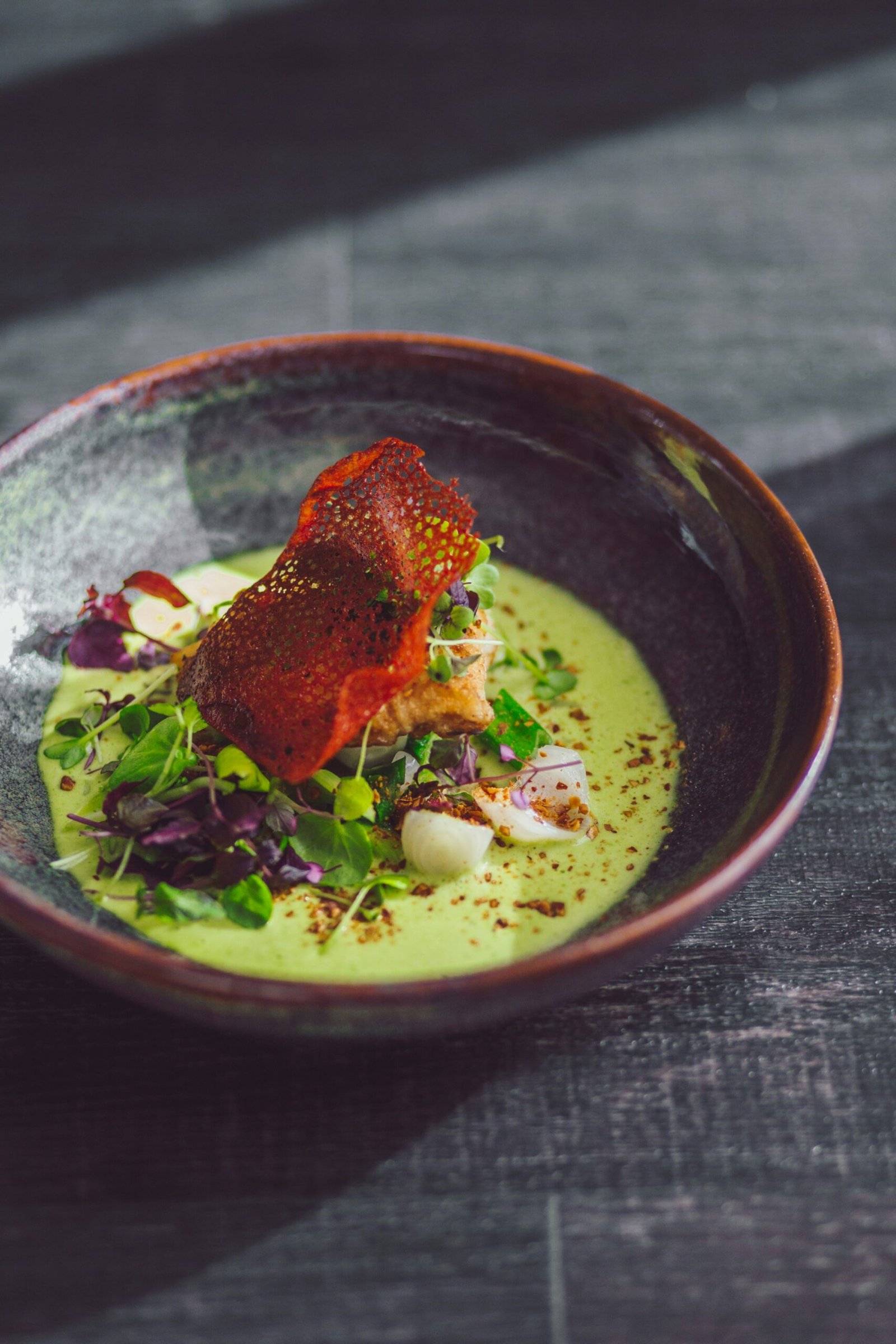
Introduction to Nebraska’s Culinary Scene
Nebraska, often celebrated for its vast prairies and agricultural bounty, possesses a culinary scene that is as rich and diverse as its landscape. The state is home to an array of local ingredients, many of which stem from its strong farming heritage. Nebraska’s agricultural foundation is vital to its food culture, influencing chefs and home cooks alike in their pursuit of quality, flavor, and sustainability.
The state’s commitment to fresh, locally sourced produce contributes significantly to its gastronomic identity. Nebraska produces a variety of crops, including corn, soybeans, and wheat, as well as livestock, making it a cornerstone of American agriculture. These ingredients play a fundamental role in local restaurants and home kitchens, where chefs skillfully create dishes that celebrate the flavors of the region. From hearty beef dishes to innovative vegetarian cuisine, Nebraska’s food offerings reflect its agricultural strengths.
Throughout the state, you will find a blend of traditional and contemporary cooking styles. The culinary culture is shaped by the diverse communities that call Nebraska home. This includes influences from immigrant populations that have settled in the region, enriching the food landscape with flavors from around the world. As a result, dining experiences in Nebraska range from rustic farm-to-table establishments to innovative fine dining restaurants, each unique in its portrayal of local traditions and ingredients.
As we delve deeper into Nebraska’s gourmet food culture, we will explore various local restaurants that exemplify the state’s rich culinary heritage. This journey will shed light on how the combination of local ingredients and diverse cooking styles create a vibrant food scene, attracting both residents and tourists throughout the year.
The Importance of Local Ingredients in Nebraska Cuisine
Nebraska’s culinary landscape is notably influenced by its rich agricultural heritage. The state’s vast expanses of farmland yield an array of quality ingredients, making local sourcing a foundational element of Nebraska’s food culture. From sweet corn to prime beef, Nebraska is home to some of the most highly regarded agricultural products in the United States. Chefs across the state capitalize on these ingredients, ensuring that their menus reflect the seasonality and availability of local produce.
One staple of Nebraska’s agricultural output is corn, which transcends mere consumption and becomes a pivotal part of the local identity. Used in everything from traditional cornbread to more innovative culinary creations, corn serves as a versatile ingredient that speaks to the region’s farming traditions. Additionally, Nebraska ranks among the top beef-producing states in the country, contributing to the renowned quality of its meats. Local ranchers prioritize sustainable practices, which not only enhance flavor profiles but also promote responsible stewardship of the land.
The state’s agricultural diversity extends to an array of vegetables and fruits, such as tomatoes, cucumbers, and melons, which are showcased in local farmers’ markets during peak seasons. This seasonal approach encourages chefs to rotate their menus frequently, allowing patrons to experience the freshest and most authentic flavors that Nebraska has to offer. By spotlighting local ingredients, restaurants foster connections between consumers and the producers who cultivate these goods.
Moreover, using local ingredients supports Nebraska’s economy and strengthens community ties. Singularly focused on quality and sustainability, chefs exhibit creativity by integrating agricultural products into their dishes, thus rendering a gastronomic experience that is not only delightful but also reflective of the regional ecosystem. As Nebraska’s gourmet food culture continues to evolve, the importance of local ingredients remains a vital component driving culinary innovation throughout the state.
Top Local Restaurants in Nebraska
Nebraska’s gourmet food scene showcases an impressive array of dining venues that reflect both regional flavors and innovative culinary techniques. This vibrant gastronomic landscape features establishments that cater to a diverse palate and offer memorable dining experiences for both locals and visitors alike.
One standout restaurant is the renowned “The Grey Plume” in Omaha, celebrated for its commitment to sustainability and locally sourced ingredients. The chef, Clayton Chapman, crafts an ever-evolving menu that highlights seasonal dishes. Diners rave about the succulent pork belly and the inventive desserts that emphasize the earthy tones of Nebraska’s ingredients. The Grey Plume has garnered several accolades, including recognition from major culinary publications, making it a must-visit destination.
In Lincoln, “Salt” presents a contemporary dining experience that captures the essence of Midwestern cuisine. Under the leadership of Chef AJ Schallenberger, Salt emphasizes the art of food preparation with dishes that reflect contemporary influences. The standout option on the menu is the salt crusted beef, paired with hand-made pasta. Guests consistently praise the warm atmosphere and artful presentation of each dish, noting that the restaurant strikes a balance between sophistication and comfort.
Another noteworthy establishment is “Porter’s Bistro” in Kearney, which is known for its farm-to-table ideology. The owner and head chef, J. Porter’s dedication to using local farms fosters an authentic connection with the community. Diners can indulge in signature dishes such as the fried green tomatoes and house-made charcuterie, all expertly prepared to highlight the natural flavors of the ingredients. Customer feedback emphasizes both the friendly service and an inviting ambiance that make Porter’s Bistro a cherished dining gem.
With each of these establishments offering unique contributions to Nebraska’s gourmet food culture, whether through sustainable practices, innovative menus, or community engagement, they are invaluable parts of the state’s culinary journey. For anyone exploring the culinary landscape of Nebraska, visiting these local restaurants promises a delightful experience that truly embodies the spirit of the region.
Signature Dishes to Try in Nebraska
Nebraska’s culinary landscape is distinctively marked by its signature dishes, many of which highlight the region’s agricultural abundance. One such dish that stands out is the Nebraska beef steak, known for its quality and flavor. Nebraska is famously home to some of the best cattle ranches in the United States, making a juicy steak a must-try for anyone visiting the state. Exceptional steakhouse experiences can be found in cities like Omaha and Lincoln, where local chefs prepare these cuts to perfection.
Another authentic dish worth sampling is the Runza, a unique Nebraska creation that embodies the spirit of the local food culture. The Runza is a baked pocket bread filled with seasoned ground beef, onions, and cabbage. This hearty meal has Central European roots and has become a beloved fast food option throughout the region. One can find this culinary delight at numerous Runza restaurants scattered across Nebraska, each offering a slightly different take on this classic.
Corn is also an essential part of Nebraska’s identity, and it is reflected in its culinary practices. Sweet corn, particularly during the summer, finds itself on many restaurant menus. A dish to look for is the corn chowder, often prepared with fresh, locally sourced corn, cream, and spices. Many farm-to-table restaurants pride themselves on creating seasonal dishes that emphasize this ingredient, allowing diners to delight in the natural sweetness and flavor of Nebraska’s produce.
For a lighter option, consider sampling the state’s salads, which typically include local ingredients such as wild game, sweet corn, and heirloom tomatoes. Furthermore, the growing craft beer scene in Nebraska has also influenced its dining, with many restaurants offering locally brewed beers that pair perfectly with these signature dishes.
Seasonal Dining: Best Times to Experience Nebraska’s Cuisine
Nebraska boasts a vibrant gourmet food culture, deeply rooted in its agricultural heritage. The best times to experience this culinary richness are during peak tourist seasons, which coincide with numerous food festivals and events. Generally, spring and fall emerge as the most favorable times for visitors, as they showcase an array of seasonal ingredients and special culinary offerings from local restaurants.
In spring, from March to May, Nebraska’s markets overflow with fresh produce, such as asparagus, rhubarb, and various greens. This season heralds an awakening of the culinary scene, with local chefs crafting exquisite dishes that put these fresh ingredients at the forefront. Visitors can partake in several festivals, like the Omaha Farmers Market, celebrating locally sourced foods and seasonal specialties. Spring is an optimal time to explore Nebraska’s farm-to-table restaurants, where menus transform to reflect the availability of fresh local produce.
As summer approaches, the months of June through August bring about a bountiful harvest, particularly with sweet corn, tomatoes, and peppers. Numerous events like the Nebraska State Fair, typically held in late summer, emphasize local cuisine, showcasing not only traditional dishes but also gourmet interpretations by innovative chefs. As such, diners can expect menus that emphasize freshness and creativity during this season. Outdoor dining becomes popular, with many establishments featuring al fresco seating options, enhancing the experience of indulging in summer fare.
Finally, autumn represents another peak season, with harvest-related festivities occurring throughout September and October. Restaurants often highlight traditional fall ingredients, including pumpkins, squash, and hearty grains. Events like the Lincoln Harvest Moon Festival serve as a platform for celebrating Nebraska’s agricultural bounty while encouraging visitors to enjoy seasonal specialties from various culinary establishments. Aligning travel plans with these peak seasons allows visitors to experience the best of Nebraska’s gourmet food culture, making for a delectable and memorable trip.
Culinary Events and Festivals in Nebraska
Nebraska’s vibrant food scene is punctuated by a range of culinary events and festivals that celebrate local produce, artisanal craftsmanship, and regional flavors. Each year, enthusiasts gather across the state to participate in these lively celebrations, showcasing the depth of Nebraska’s gourmet offerings. Among the most anticipated events is the Nebraska State Fair, held annually in Grand Island. This festival celebrates local agriculture and features a variety of food vendors, where attendees can sample everything from corndogs to gourmet farm-to-table dishes prepared by local chefs.
Another notable event is the Omaha Farmers Market, which not only serves as a venue for fresh produce but also hosts culinary demonstrations and tastings throughout the summer months. Local chefs often take part, showcasing how to prepare dishes with seasonal ingredients sourced directly from nearby farms. This aligns perfectly with the growing farm-to-table movement, allowing the community to cultivate a deeper appreciation for local cuisine.
Additionally, the Nebraska Beer and Wine Festival provides a platform for local breweries and wineries to present their artisanal creations. Food pairings featuring regional ingredients are often coordinated with local chefs to enhance the experience, further highlighting Nebraska’s focus on quality and sustainability. Events like the Lincoln Curbside Cookoff also contribute to the culinary landscape, where teams of amateur and professional chefs compete to create the best barbecue dishes, drawing food lovers from all around the state.
Throughout the year, various smaller festivals celebrate specific local ingredients, such as the Sweet Corn Festival in the summer and the Pumpkin Festival in the fall. These events not only provide culinary delights but also foster community engagement and highlight the agricultural heritage of Nebraska. Collectively, these culinary events and festivals effectively showcase the state’s commitment to promoting local flavors, while connecting chefs, farmers, and food enthusiasts in a festive atmosphere that embraces Nebraska’s rich gourmet food culture.
Nebraska Breweries and Wineries: A Complement to Gourmet Dining
Nebraska’s culinary landscape is complemented by an impressive array of craft breweries and wineries, enhancing the gourmet dining experience. As food enthusiasts explore local restaurants, they will discover a burgeoning scene that offers unique beverages to pair with regional dishes. Craft breweries, in particular, have gained significant traction over recent years, focusing on quality ingredients and innovative brewing techniques. With a variety of beer styles available, from hoppy IPAs to rich stouts, these breweries add a celebratory aspect to Nebraska’s food culture.
One of the standout breweries is Omaha’s Upstream Brewing Company, known for its excellent selection of artisanal beers and its commitment to using local ingredients. Pairing their signature Pilsner with a classic Nebraska beef burger enhances the flavors of both the beverage and the dish, creating a harmonious dining experience. Likewise, Nebraska Brewing Company offers a range of award-winning beers that beautifully complement the state’s renowned barbecue dishes. Their Heron Pale Ale, with its citrusy notes, is a perfect match for smoky ribs, creating a delightful interplay of flavors.
In addition to breweries, Nebraska is home to a growing number of wineries, which have gained recognition for producing high-quality wines. One notable example is the James Arthur Vineyards, where wine lovers can experience locally-produced varieties, such as the La Crosse, which pairs excellently with regional cheese plates or light salads. Another gem is the Château de Chantal, where visitors can explore the rich taste profiles of their wines, perfectly complementing Nebraska’s gourmet cheese selection.
The synergy between local breweries, wineries, and Nebraska’s culinary offerings underscores the importance of these craft beverages in enhancing the overall dining experience. As the state continues to promote its evolving gourmet food scene, it is evident that the pairing of local dishes with Nebraska’s finest craft brews and wines offers a truly exceptional journey through the region’s culinary delights.
Unique Dining Experiences: Beyond Traditional Restaurants
Nebraska’s culinary landscape extends far beyond traditional restaurants, offering an array of unique dining experiences that cater to adventurous food enthusiasts. From vibrant food trucks serving up gourmet bites to pop-up events in scenic locales, the state’s food culture thrives on creativity and innovation. These alternative dining options provide a chance to engage with local flavors while enjoying a casual and immersive atmosphere.
Food trucks have become an integral part of Nebraska’s dining scene, showcasing a diverse selection of cuisine that reflects the state’s rich agricultural heritage. Vendors often source their ingredients locally, transforming them into delectable dishes that highlight the seasonality of Nebraska’s produce. From gourmet tacos to artisanal sandwiches, these mobile kitchens can be found at various festivals, farmers’ markets, and urban hotspots, allowing diners the convenience of enjoying their meals on-the-go while experiencing the vibrancy of the local community.
Moreover, pop-up events are an increasingly popular phenomenon in Nebraska’s food culture. These temporary dining experiences often feature rotating chefs and unique themes, creating a sense of anticipation and excitement. Patrons are treated to carefully crafted multi-course meals that emphasize local ingredients and innovative culinary techniques. Dinner series hosted in unconventional venues, such as art galleries or farms, add a special touch, turning each meal into a memorable occasion.
Farm-to-table dining is another significant aspect of Nebraska’s food scene. Restaurants dedicated to this philosophy prioritize sourcing ingredients from local farms, ensuring that meals are fresh, seasonal, and representative of the region. This approach not only supports local agriculture but also fosters a deeper connection between diners and the food they consume. Engaging with Nebraska’s unique dining experiences allows food lovers to explore the state’s rich gastronomic heritage in a dynamic and compelling way.
Conclusion: The Future of Nebraska’s Food Culture
Nebraska’s gourmet food culture stands at a pivotal juncture, reflecting not only the diverse agricultural landscape but also the rich tapestry of culinary traditions that have been woven together over time. The local restaurants, which range from family-run establishments to innovative fine dining venues, play a crucial role in showcasing the state’s culinary offerings. They embody the spirit of Nebraska by utilizing locally-sourced ingredients, thus fostering a connection between the farm and the table. As more chefs embrace the farm-to-table philosophy, the landscape of Nebraska’s dining scene is evolving, giving rise to new flavors and experiences that excite both residents and visitors alike.
Tourism is another significant factor in the growth of Nebraska’s food culture. It allows for the exchange of ideas and introduces a broader audience to local flavors. By promoting festivals, food tours, and culinary events, Nebraska not only highlights its existing gastronomic treasures but also attracts culinary enthusiasts looking for unique experiences. This influx of visitors provides a strong economic incentive for local restaurants and farmers, further enhancing the community’s culinary identity.
As we look to the future, it is essential for Nebraskans and visitors alike to support local restaurants and farmers to sustain this burgeoning gourmet food culture. Engaging with the culinary landscape offers an opportunity to experience the state’s offerings firsthand while ensuring that local enterprises thrive. Therefore, exploring Nebraska’s gastronomic scene is more than indulging in good food; it is a commitment to supporting local traditions, nurturing community relationships, and celebrating the rich agricultural heritage of the state. Nebraska’s culinary future appears bright, inviting everyone to partake in its delicious journey.