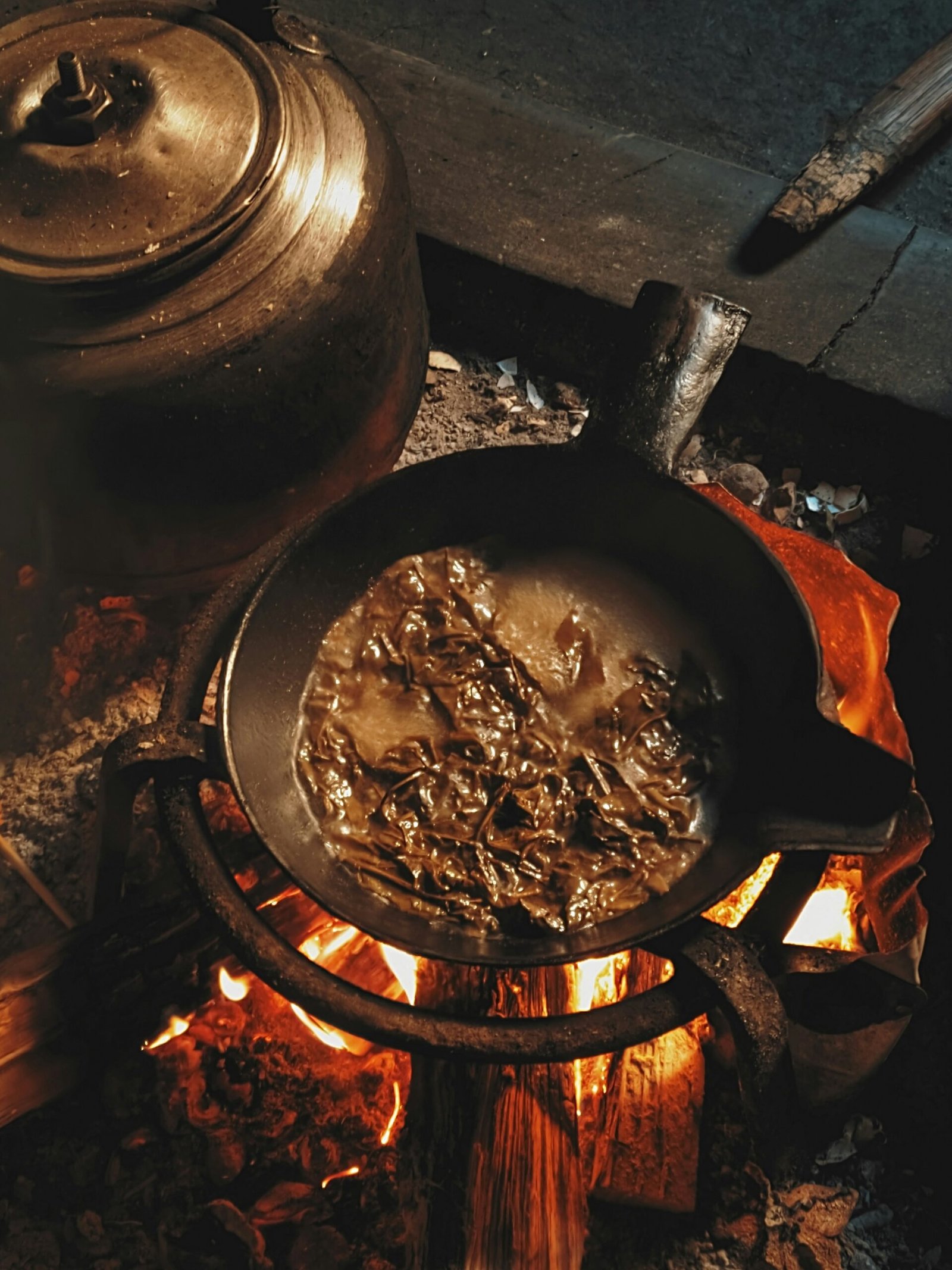
Introduction to Montana Cuisine
Montana cuisine embodies a unique tapestry woven from its diverse cultural influences, notably Native American, Western, and ranching traditions. The state’s rich heritage is reflected in its culinary practices, where indigenous ingredients and recipes intersect with those brought by European settlers and ranchers. This fusion not only highlights the adaptability of Montanans but also showcases their deep-rooted respect for the land and its resources.
Montana’s geography plays a significant role in shaping its culinary identity. The vast plains, rugged mountains, and abundant waterways provide a wealth of natural ingredients that define local dishes. From bison and elk to a variety of fresh fish, the state’s wildlife and agriculture offer numerous options for sustainable, locally sourced meals. The immense variation in the climate across the region also contributes to this diversity, with warmer summers allowing for the growth of a rich array of fruits and vegetables, while colder winters promote a culture of preserving and utilizing stored ingredients.
Moreover, the ranching culture in Montana has heavily influenced its cuisine. The prominence of beef, particularly grass-fed cattle, highlights the state’s agricultural practices and connection to the land. Dishes often incorporate hearty ingredients which reflect the lifestyle of ranchers who depend on robust food to sustain their work. Additionally, traditional cooking methods like smoking and curing further emphasize Montana’s culinary heritage and connection to its varied landscapes.
In essence, Montana cuisine is much more than mere sustenance; it is an expression of the state’s rich history and cultural diversity. As we delve deeper into the intricacies of local ingredients and signature dishes, we will uncover how these culinary practices not only satisfy hunger but also connect people to the land and to one another.
Local Ingredients: The Heart of Montana Dishes
Montana cuisine is characterized by its deep connection to the land, reflected in the usage of local ingredients that embody the state’s rich agricultural heritage. Among the most significant components of Montana’s culinary identity are bison, beef, elk, trout, and a variety of fresh produce. These ingredients not only represent the flavors of the region but also emphasize the importance of sustainable and responsible sourcing in the preparation of traditional dishes.
Bison, once a staple of Native American diets, has made a remarkable resurgence in Montana’s cuisine. It is lauded for its rich flavor and leaner meat compared to beef. Similarly, Montana is known for its grass-fed beef, which is raised in open pastures, giving it a unique taste that sets it apart. Elk, another game meat abundant in the state, provides a savory alternative that many chefs incorporate into their menus, celebrating the wild and diverse culinary opportunities Montana has to offer.
Freshwater trout, particularly from the state’s many pristine rivers, is also a highlight of Montana dishes. Chefs harness techniques that enhance the natural flavors of the fish, often pairing it with seasonal vegetables sourced from local farms. The commitment to farm-to-table practices is prevalent among many Montana restaurants, which actively collaborate with local farmers and ranchers to acquire the freshest ingredients.
This direct connection between farmers and chefs not only fosters a community spirit but also ensures that the utmost quality is maintained in the food being served. In doing so, the culinary scene in Montana not only supports local economies but also encourages a sustainable ethos that resonates throughout the region, highlighting the true essence of Montana cuisine.
Native American Influence on Montana Cuisine
The rich tapestry of Montana cuisine is deeply interwoven with the culinary traditions of Native American tribes, which have been fundamental to the state’s food culture for thousands of years. These traditions are characterized by the use of indigenous ingredients and time-honored cooking methods that not only reflect the natural bounty of the region but also the cultural heritage of the Native Americans who first inhabited this land.
Traditional dishes such as bison stew, fry bread, and wild rice are hallmark examples of Native American cuisine in Montana. Bison, a staple protein for many Indigenous tribes, is celebrated for its rich flavor and nutritional value. Often slow-cooked or prepared on an open fire, bison stew showcases the communal aspect of Native cooking, bringing families and communities together to share in the bounty. Fry bread, a versatile dish, has become a symbol of Native American resilience and creativity; it can be served as a side or topped with savory ingredients to create a hearty meal.
The cooking methods of Native Americans, such as open-fire roasting and smoking, have also been integral in shaping contemporary Montana cuisine. Techniques like these, originally developed out of necessity, are increasingly being embraced by modern chefs who aim to create authentic dishes that honor these traditions. Additionally, foraging for local ingredients, including herbs, berries, and game, remains a practice rooted in Native culinary culture, inspiring chefs to incorporate these elements into restaurant menus.
The fusion of Native American traditional practices with modern culinary techniques not only enriches the dining experience in Montana but also fosters a deeper appreciation for the cultural significance of these foods. As Montana cuisine continues to evolve, the influence of Native American culinary traditions remains a critical component, ensuring that their legacy is honored and celebrated within the state’s gastronomic landscape.
Iconic Montana Dishes to Try
When exploring the culinary landscape of Montana, several iconic dishes stand out, each deeply rooted in the region’s history, culture, and natural abundance. Among these celebrated offerings, elk burgers emerge as a true Montanan staple. Renowned for their rich flavor and lean quality, elk burgers can be savored at numerous local diners and establishments, particularly those situated near national parks like Yellowstone. Many restaurants emphasize wild game, which is a nod to the state’s hunting traditions.
Another dish that exemplifies the essence of Montana is huckleberry pancakes. These pancakes are a delightful breakfast treat made with locally harvested huckleberries, a fruit that thrives in the mountainous terrain. Typically featured on the menus of many lodges and breakfast spots, they are often accompanied by a drizzle of huckleberry syrup. The unique taste of huckleberries, which resembles a blend of blueberries and raspberries, has made this dish a favorite among locals and tourists alike. Various huckleberry festivals celebrate this vibrant berry, adding to its cultural significance.
Fry bread is yet another dish that holds a special place in Montana’s diverse culinary scene. Originating from Native American cooking traditions, fry bread is a simple yet versatile food that can be enjoyed sweet or savory. It often appears in traditional fry bread tacos, where the bread serves as a base filled with meat, beans, and fresh toppings. This dish can be found at various powwows and fairs, representing not only a delicious culinary option but also a connection to the cultural history of the Native American communities in the area.
Each of these iconic dishes not only delights the palate but also tells a story about Montana’s rich cultural tapestry. From the wild game that roams the forests to the local berries that flourish in the wild, Montana cuisine reflects the land’s heritage in every bite.
The Role of Seasonal Cooking in Montana
Seasonal cooking plays a vital role in Montana’s rich culinary landscape, with the state’s diverse climate greatly influencing the types of ingredients available throughout the year. As the seasons shift, so too do the flavors and dishes that define Montana cuisine. The cyclical nature of local agriculture means that chefs and home cooks alike must adapt their menus, integrating fresh produce and game meat that are at their peak during specific months.
Spring, heralded by the melting of snow, brings a bounty of fresh greens and herbs, along with tender meats from local livestock. This season often sees the emergence of baby vegetables, such as radishes and peas, which are celebrated for their delicate flavors. As local farmers bring these ingredients to market, chefs craft dishes that highlight their crisp textures and vibrant colors, often focusing on salads and light entrees that reflect the awakening of nature.
Summer in Montana is a time of abundance, with the warm weather fostering a wide variety of fruits and vegetables. From juicy tomatoes and succulent corn to sweet berries, summer harvests allow for bold flavors to flourish. Considered the prime time for barbecues and outdoor gatherings, many Montanans take advantage of the varied produce and pair it with locally sourced meats. The practice of grilling game meat, such as bison or venison, becomes a staple during this season, with marinades that marry the grilled flavors with those of fresh garden vegetables.
As autumn arrives, so does the shift towards heartier fare. The cooling temperatures signal the harvest of root vegetables and the availability of game, such as elk and bear. Cooks often embrace the warm, comforting stews and roasted dishes that highlight these ingredients. Winter brings its own unique challenges, with the need to rely on preserved goods, root cellars, and winter crops. This adaptation not only prolongs the use of seasonal ingredients but also revitalizes classic recipes, forging a deep connection between the food and the Montana landscape.
Montana’s Craft Beverages: Pairing Food with Local Flavors
Montana’s craft beverage scene has blossomed in recent years, showcasing the state’s rich agricultural resources and innovative spirit. From artisanal breweries to boutique wineries and distilleries, the variety of local beverages available presents an exciting opportunity to enhance Montana’s culinary landscape. The craft breweries in the state, such as those found in Missoula and Bozeman, often utilize locally sourced ingredients, emphasizing flavors that resonate with the region’s identity.
When considering food pairings, the emphasis is on creating harmonious combinations that celebrate both the beverage and the dish. For instance, a rich Montana beef burger topped with locally made cheese can be perfectly complemented by a robust porter or stout. These dark beers, known for their deep, roasted flavors, enhance the savory notes of the meat while providing a contrast to the creaminess of the cheese. On the other hand, lighter ales can pair exceptionally well with grilled fish or fresh salads, often found in seasonal menus across local eateries.
Montana’s wine scene, though relatively young, has gained momentum, particularly with varietals such as Pinot Noir and Chardonnay. Local wineries often emphasize terroir, producing wines that reflect the region’s unique soil and climate. A crisp Chardonnay can elevate a dish of Montana trout, with its zesty acidity enhancing the fish’s delicate flavors. Meanwhile, rich red wines can enhance game dishes, such as bison or elk, marrying well with their earthy profiles.
Distilled spirits produced in Montana, including small-batch whiskeys and artisanal gins, also provide exceptional pairing opportunities. A cocktail crafted with locally distilled gin and paired with a platter of charcuterie featuring artisanal meats and cheeses showcases the essence of Montana’s culinary culture. The delicate botanicals of the gin can amplify the rich flavors of the cured meats, making it an outstanding choice for a social gathering or a relaxed dinner at home.
Authentic Dining Experiences in Montana
Montana’s culinary landscape is a vibrant reflection of its history, culture, and agricultural abundance. Dining in Montana offers a unique opportunity to experience authentic food that is characterized by locally sourced ingredients and traditional cooking methods. One particularly notable establishment is the Montana Ale Works in Bozeman, which expertly pairs regional brews with innovative dishes that highlight local game and produce. The atmosphere is lively, making it an ideal spot for both locals and tourists alike looking to delve into Montanan cuisine.
Another gem is The Oxford Hotel’s restaurant in Missoula, a space that elegantly combines historical charm with a modern menu. It prides itself on using sustainable, seasonal ingredients, ensuring that diners enjoy fresh flavors typical of the region. The commitment to showcasing local farmers and artisans sets the venue apart as a quintessential destination for anyone seeking an authentic Montanan dining experience.
Food festivals across the state also serve as a wonderful celebration of Montana’s culinary heritage. The annual Montana Renaissance Festival is a significant highlight, where attendees can enjoy various take on classic and contemporary dishes prepared by local artisans. This festival emphasizes the importance of food in Montana’s culture, blending entertainment with an appreciation for diverse gastronomy.
For those seeking a more rustic experience, diners like the Grizzly Bar and Grille in the town of Seeley Lake provide a cozy atmosphere where patrons can enjoy comfort food made from local meats and produce. The warm ambiance, combined with hearty dishes, captures the essence of Montana’s inviting spirit.
Overall, whether dining at a high-end restaurant or a quaint diner, Montana offers a variety of authentic dining experiences that truly celebrate the state’s rich culinary tapestry. Through these dining venues and events, visitors and locals are continually reminded of the unique flavors and traditions that define Montana cuisine.
Culinary Innovations: Modern Takes on Traditional Dishes
Montana’s culinary scene has undergone a notable transformation as modern chefs reimagine traditional dishes, infusing them with global influences and innovative techniques. This evolution reflects a broader culinary movement that embraces local ingredients while experimenting with flavors and presentation. As a result, the state is becoming known for its distinct gastronomic identity that bridges its rich heritage with contemporary tastes.
One prominent example of this reinvention is the innovative approach to bison, a staple of Montana’s cuisine. Chefs such as Justin Peano at the downtown restaurant, Blackbird, offer a bison tartare, incorporating Asian-inspired elements like ginger and sesame oil. This dish not only retains the essence of traditional recipes but also highlights modern plating techniques and flavor profiles that resonate with diverse culinary traditions.
Moreover, the incorporation of global spices and ingredients is becoming increasingly prevalent in Montana kitchens. At Farm to Fork in Missoula, head chef Amanda Weston has created a signature dish featuring locally-sourced trout, accompanied by a saffron risotto and chimichurri sauce. This modern take showcases how chefs are not only honoring their roots but also integrating international flavors and techniques into American classics.
Further illustrating this trend, the emergence of pop-up dining experiences and food trucks has allowed chefs to experiment freely. For instance, the roaming culinary venture, The Roaming Fork, captivates diners with dishes like elk tacos enhanced with jalapeño-infused crema. These adventurous combinations appeal to a market eager for novel dining experiences that maintain a connection to local produce.
The melding of traditional recipes with forward-thinking culinary techniques reflects a dynamic shift in Montana’s food landscape. Chefs continue to challenge norms and redefine classic dishes, ensuring their culinary offerings remain engaging and relevant in an ever-evolving gastronomic environment.
Conclusion: The Future of Montana Cuisine
The culinary landscape of Montana is experiencing a notable evolution, reflecting a growing awareness of sustainability and local sourcing. As consumers become increasingly conscious of the environmental impacts of their food choices, many restaurants in the state are shifting their focus towards more sustainable practices. This transition not only supports local farmers and producers but also enhances the flavors and authenticity of Montana cuisine. By prioritizing seasonal ingredients and embracing the farm-to-table movement, Montanan chefs are creating dishes that highlight the rich agricultural heritage of the region.
Moreover, the emergence of culinary tourism is significantly shaping the future of Montana’s food scene. As more visitors flock to the state, they are eager to experience the unique flavors and local culinary traditions. This interest is prompting chefs and food entrepreneurs to innovate and expand their offerings, introducing creative ways to merge traditional cooking methods with contemporary techniques. Food festivals, farmers’ markets, and guided culinary tours are becoming increasingly popular, providing an avenue for both locals and visitors to engage with and appreciate Montana’s diverse gastronomy.