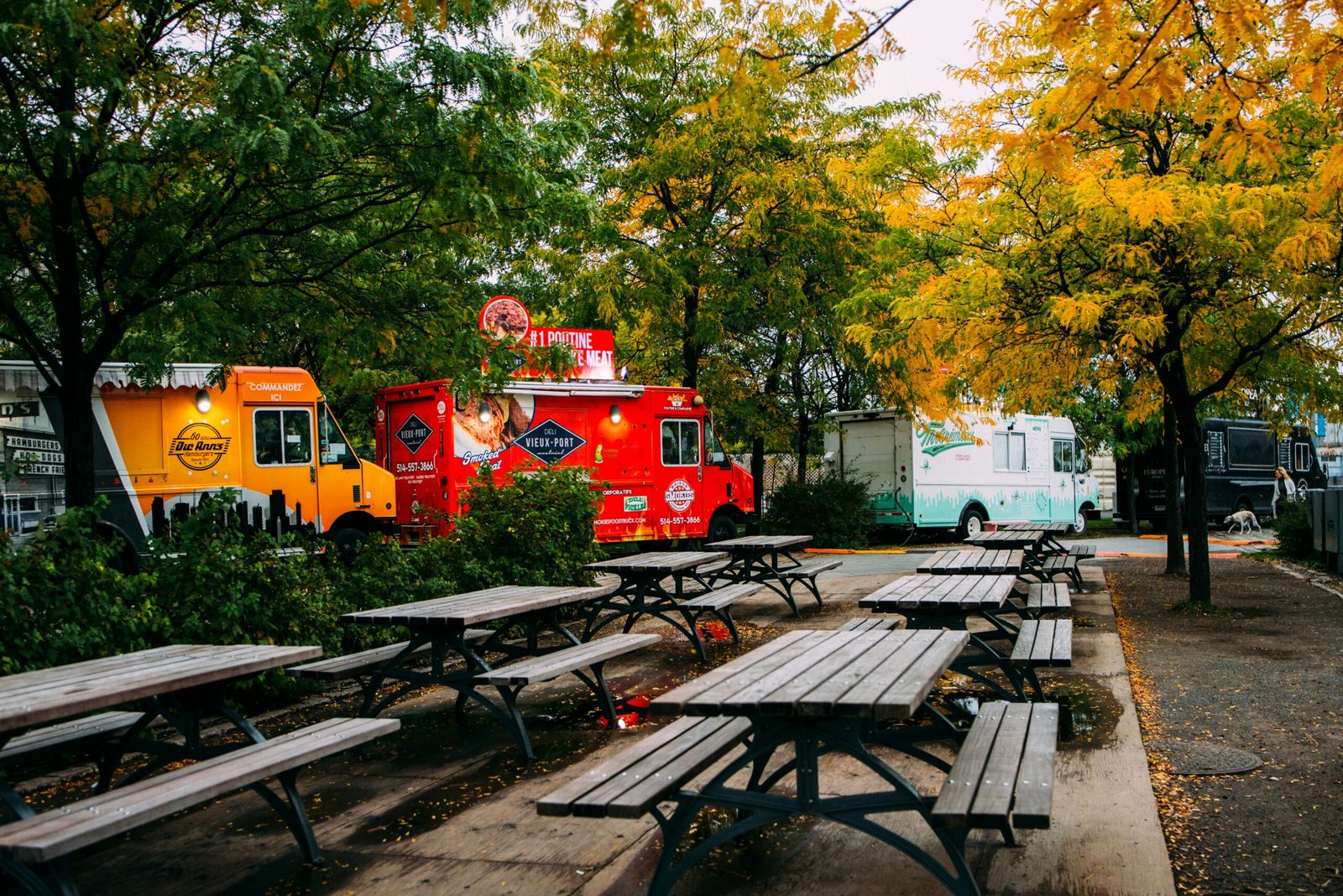
A Brief History of Food Trucks in America
The concept of mobile food vending dates back to the late 19th century when street vendors began selling food from carts in urban areas. One of the earliest examples of what could be likened to a food truck was in 1890, when a man named Charles Goodnight converted a covered wagon into a mobile kitchen to serve cowboys in Texas. This early iteration of food trucks laid the groundwork for a culture that would evolve significantly over the decades.
Throughout the 20th century, food trucks remained largely utilitarian, primarily serving workers in industrial areas and at construction sites. The introduction of the taco truck in the 1970s in Los Angeles marked a pivotal shift in the food truck landscape. This trend not only highlighted the culinary diversity of the region but also inspired entrepreneurs to embrace the food truck model for various cuisines. Consequently, mobile eateries began to flourish in cities across the country, offering everything from BBQ to gourmet sandwiches.
In the late 2000s, the food truck phenomenon took on new dimensions as social media became a powerful tool for marketing and engagement. Innovative food truck proprietors utilized platforms like Twitter and Instagram to notify customers of their locations and daily menus, leading to increased popularity and a loyal customer base. The emergence of gourmet food trucks introduced a new level of culinary creativity to street food, merging high-quality ingredients with the convenience of mobile service.
Today, food trucks are recognized not merely as a passing trend but as an integral aspect of American dining culture. They reflect the growing demand for diverse food options and affordable dining experiences, all while providing a platform for up-and-coming chefs and food entrepreneurs. The evolution of food trucks in America underscores the intersection of culinary innovation and accessibility, shaping a vibrant, dynamic foodscape across the nation.
Diverse Culinary Offerings on Wheels
The food truck phenomenon in the United States has transformed the way people experience culinary delights, providing access to a rich tapestry of flavors from a multitude of cultures. Food trucks cater to a wide variety of dietary preferences and culinary styles, serving everything from classic American fare to innovative global dishes. This extensive menu diversity demonstrates the dynamic landscape of food culture that has emerged from this mobile dining trend.
One of the most notable features of food trucks is their ability to adapt and experiment with ingredients and cooking methods. For instance, gourmet burgers topped with artisanal cheeses and locally sourced produce have become a staple on many food truck menus. At the same time, traditional tacos have evolved beyond their Mexican roots, incorporating flavors and ingredients from various cuisines, showcasing the fusion trend that is popular among modern food lovers.
Moreover, the presence of food trucks in urban areas also highlights regional specialties. In the Pacific Northwest, for instance, trucks often feature dishes that incorporate fresh seafood caught from nearby coasts, while trucks in the Southwest may offer fiery salsas and spicy chili options. Additionally, the seasonal nature of food trucks allows for menus to change regularly, emphasizing fresh, local ingredients in dishes that reflect the time of year.
The rise of vegan and vegetarian food trucks highlights the growing demand for plant-based options, showcasing creative dishes that appeal to an increasingly health-conscious populace. From vegan BBQ to gourmet salads that pack a flavor punch, food trucks continue to innovate in providing delightful experiences for all dietary preferences. Overall, the diverse culinary offerings available on food trucks across the United States not only enhance urban dining experiences but also celebrate the multifaceted food culture emerging in contemporary society.
The Food Truck Revolution: Business Insights and Challenges
The food truck industry has significantly transformed the landscape of dining in the United States. Entrepreneurs entering this vibrant sector encounter both enticing opportunities and formidable challenges. Understanding the business fundamentals is crucial for achieving success in this competitive market. One of the primary challenges faced by aspiring food truck owners is obtaining the necessary permits and licenses. Regulations can vary considerably from city to city, requiring owners to navigate a complex web of local health codes, zoning laws, and business regulations. This process can be time-consuming and costly, but it is essential for compliance and establishing a legitimate operation.
Health regulations play a critical role in the operational framework of food trucks. Ensuring food safety and maintaining high hygiene standards are not just legal obligations; they are vital for building customer trust. Many entrepreneurs must invest in specialized equipment or training to meet these health requirements, which can increase startup costs. Additionally, there are often financial hurdles associated with launching a food truck, including purchasing the vehicle itself, outfitting it with cooking equipment, and securing an adequate supply chain for ingredients. This initial investment can be daunting for newcomers.
To thrive in a competitive environment, effective marketing strategies are essential. Food trucks rely heavily on social media platforms to reach their audience, share their location, and promote their menu offerings. Engaging with the community through local events or collaborating with nearby businesses can also enhance visibility. Building a loyal customer base involves creating a unique brand identity and offering exceptional service. By tapping into trends and understanding their target market, food truck operators can distinguish themselves and ensure sustained growth in this dynamic industry.
The Future of Food Trucks: Trends and Innovations
The food truck industry is undergoing a transformative period marked by significant technological advancements and innovative practices. As consumer preferences evolve, food trucks are increasingly embracing modern technology to enhance operational efficiency and customer satisfaction. One notable trend is the rise of mobile ordering systems and delivery services. These platforms not only streamline the ordering process for customers but also enable food truck operators to reach a broader audience beyond traditional locations. The integration of mobile apps allows patrons to customize their orders, track their deliveries, and provide real-time feedback, contributing to a more personalized dining experience.
Moreover, sustainability is becoming a crucial focus for food truck operators aiming to reduce their environmental footprint. Many food trucks are adopting eco-friendly practices, such as utilizing biodegradable packaging, sourcing ingredients locally, and implementing energy-efficient cooking methods. This commitment to sustainability not only attracts eco-conscious consumers but also aligns with broader societal goals of reducing waste and promoting responsible consumption. As sustainability becomes a core component of brand identity, food trucks can differentiate themselves in a competitive market.
Looking ahead, the adaptability of food trucks will be key to navigating the dynamic food landscape. The ability to pivot in response to consumer demands, regulations, and market trends will ensure their ongoing relevance. Predictions suggest that the integration of artificial intelligence and machine learning could soon optimize routes, minimize food waste, and enhance menu offerings based on data analytics. Furthermore, collaborations between food trucks and established restaurant chains may increase as they seek innovative ways to co-exist in the food industry. Overall, the food truck sector is poised for continual evolution, transforming challenges into opportunities for growth and community engagement.