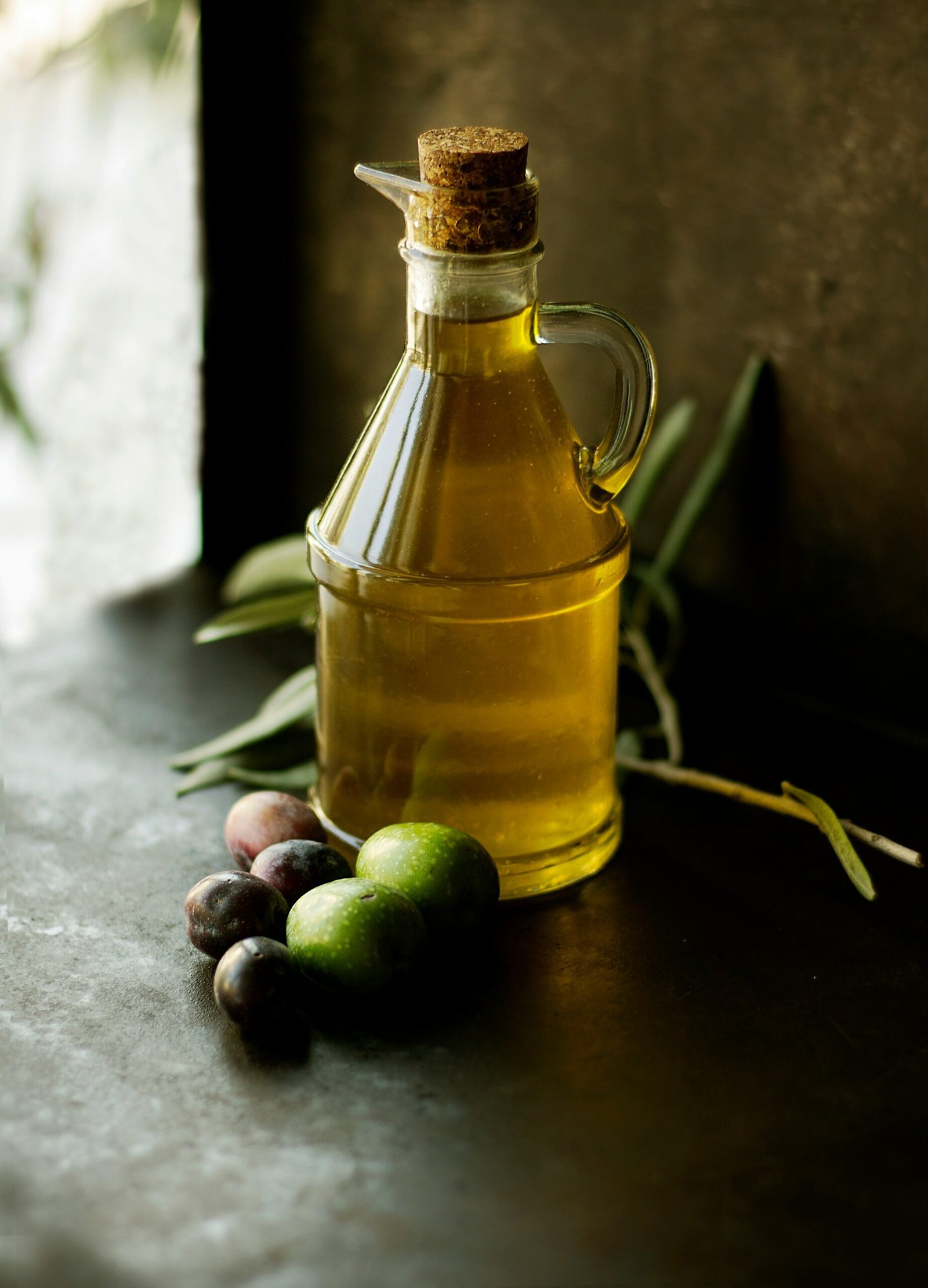
The Origins of Olive Oil: A Global Perspective
Olive oil, celebrated for its rich flavor and numerous health benefits, has a storied history that spans thousands of years. Its origins trace back to the Mediterranean Basin, where the olive tree was cultivated extensively. This region’s unique climate, characterized by hot, dry summers and mild, wet winters, is ideal for growing olives. The ancient cultures of this area recognized the merits of olive oil, using it not only for culinary purposes but also in religious rituals and as a source of light.
Among the countries renowned for their exceptional olive oil production, Italy stands out as a cornerstone of this gastronomic tradition. Regions such as Tuscany and Puglia are famous for their high-quality extra virgin olive oils, which exhibit a range of distinct flavors depending on the local terroir. The combination of soil composition, climate, and traditional farming techniques contributes to the unique profiles of Italian olive oils, making them highly sought after in kitchens worldwide.
Spain, another influential player in the olive oil market, boasts an extensive history of olive cultivation. The country is home to renowned varieties like Picual, Arbequina, and Cornicabra. Spain is the largest producer of olive oil in the world, with Andalusia leading the charge. The vast olive groves benefit from the sun-soaked landscape, producing oils that are often robust and fruity, reflecting the diverse landscapes of the region.
Greece, with its rich cultural heritage, also has a deep-rooted connection to olive oil. Greek olive oil is often characterized by its peppery and harmonious taste, influenced by centuries of tradition as well as the indigenous olives cultivated in the country. Traditional methods such as cold extraction ensure that the oil retains its natural flavors and health benefits, making it an essential ingredient in Greek cuisine.
Tunisia, while lesser-known compared to its Mediterranean counterparts, has recently emerged as a significant olive oil producer. The country’s favorable climatic conditions combined with a focus on organic farming methodologies have resulted in the production of high-quality oils that are gaining global recognition.
The evolution of olive oil production is a testament to the adaptability of this ancient practice. Techniques have advanced over time, yet many producers still honor age-old traditions that enhance the oil’s flavor and quality. The cultural significance of olive oil continues to flourish as it serves as a staple in culinary practices across the globe, bridging generations and regions through shared appreciation for this exquisite product.
Types of Gourmet Olive Oil: Understanding Varieties and Quality
Gourmet olive oil comes in various types, each distinguished by its production method, acidity levels, and flavor characteristics. Among these, extra virgin, virgin, and refined olive oils represent the primary classifications. Extra virgin olive oil (EVOO) is the highest quality category, produced using only mechanical means without the intervention of chemicals, and it must have an acidity level of less than 0.8%. This oil is renowned for its robust flavor, often showcasing fruity, peppery, or grassy notes, making it ideal for drizzling over salads, enhancing pasta dishes, or dipping bread.
Virgin olive oil follows closely behind extra virgin in quality, with a slightly higher acidity of up to 2%. While it still reflects the true essence of olives, its flavor might be less intense, making it suitable for a broader range of culinary applications including sautéing and frying. On the other hand, refined olive oil is treated to reduce acidity and remove defects, resulting in a lighter flavor. Although it lacks the distinctive characteristics of its higher-quality counterparts, it offers a neutral taste, making it a versatile choice for cooking at higher temperatures.
When assessing the quality of gourmet olive oil, consider factors such as the harvest date, packaging, and tasting notes. The best oils are typically packaged in dark glass or tins to protect them from light, which can degrade quality. Acidity is an essential indicator, but flavor profiles are equally significant. Different regions produce unique olive cultivars, leading to diverse tasting experiences. For instance, Italian varieties, such as Frantoio or Leccino, provide herbaceous and fruity flavors, while Spanish oils, like Picual, often present a more robust, slightly bitter taste. Understanding these nuances enhances the ability to select the perfect gourmet olive oil for specific culinary purposes.
Tasting and Pairing Tips: Maximizing Your Olive Oil Experience
Tasting gourmet olive oil can be a delightful experience, requiring a few essential techniques to truly appreciate its flavors and characteristics. Begin by pouring a small amount of olive oil into a clean glass. To evaluate the aroma, cover the top of the glass with your hand and swirl gently to release the fragrance. Take a moment to inhale deeply; fresh, high-quality olive oil should exhibit green, fruity scents, reminiscent of olives, herbs, or even grass. This initial assessment sets the stage for the tasting, where you should aim to discern the oil’s flavor profile.
When tasting, take a small sip and allow the oil to coat your palate. Pay close attention to the initial flavor, which may be fruity, nutty, or peppery, alongside the oil’s complexity. The aftertaste, or finish, is also crucial; a well-crafted olive oil often leaves a pleasant lingering sensation. Note how the bitter and spicy notes can indicate the level of freshness and the presence of antioxidants, which contribute to the oil’s health benefits.
Pairing gourmet olive oil with various foods can further elevate your dining experience. The versatility of olive oil allows for diverse applications, from drizzling over salads and grilled vegetables to enhancing the flavors of pasta and seafood dishes. Consider using a fruity olive oil as a finishing touch on a Caprese salad or a more robust oil for marinating meats. When experimenting with olive oil in recipes, aim to match the oil’s intensity with the dish; strong-flavored oils complement hearty meals while delicate oils enhance lighter fare.
For a unique tasting event, consider featuring different types of gourmet olive oils alongside an array of fresh bread, cheeses, and charcuterie. This combination allows you to explore various profiles and encourages creativity in culinary applications. Properly tasting and pairing olive oil can significantly enhance your appreciation for this exquisite ingredient.
Sourcing and Sustainability: Choosing Quality Olive Oils Ethically
When delving into the world of gourmet olive oil, it is essential to consider the sourcing and sustainability of the products. High-quality olive oil is often the result of meticulous farming practices that respect both the environment and local communities. With the rise of demand for premium olive oils, it becomes imperative for consumers to navigate the complexities of authenticity and ethical sourcing. One of the key ways to ensure that you are selecting truly gourmet olive oils is to identify producers who are transparent about their cultivation methods and sourcing ethics.
To discern the quality of olive oils, consumers should support brands that provide clear information about their production processes. Look for labels that indicate the geographical origin, production methods, and any certifications such as organic or sustainable farming practices. These aspects not only serve as markers of quality but also reflect the producers’ commitment to ethical practices. Additionally, being aware of deceptive labeling practices, such as terms like “pure” or “light,” can help one avoid subpar products that do not align with the gourmet olive oil standard.
The environmental impact of olive oil production is another crucial factor. Sustainable farming practices contribute to soil health, biodiversity, and water conservation, which are vital components of responsible agriculture. Choosing gourmet olive oils from producers that prioritize such sustainability will not only enhance the quality of the oil but also support the ecosystems and communities involved in its production. Furthermore, purchasing from local or small-scale producers can have a significant positive impact on local economies, promoting fairness and community development.
In conclusion, sourcing and sustainability play a pivotal role in the selection of quality gourmet olive oils. By carefully evaluating producers and their practices, consumers can enjoy not only exceptional flavors but also contribute to environmental and social well-being.