Introduction to Ginger Roots
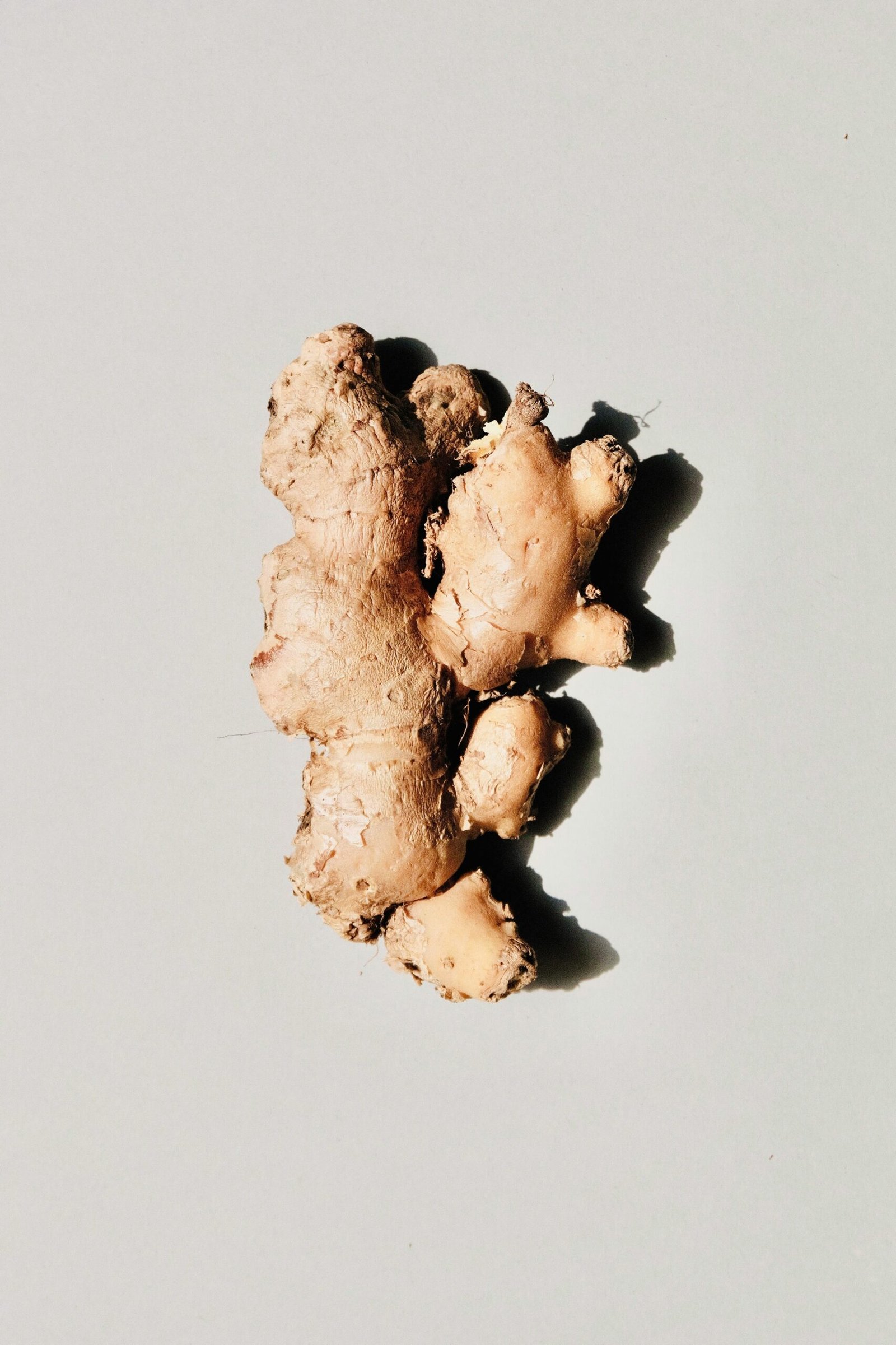
Ginger roots, scientifically known as Zingiber officinale, belong to the family Zingiberaceae, which also includes other spices such as turmeric and cardamom. This rhizome is characterized by its unique structure, featuring a brown, knobby exterior with a yellowish or whitish interior. The roots typically range in size, but they are most commonly found in tubular shapes, which makes them easily recognizable in both fresh and dried forms. Their spicy, aromatic flavor profile is attributed to the presence of gingerol, a phenolic compound that not only imparts a distinct taste but also contributes to ginger’s renowned health benefits.
Historically, ginger has played a significant role in various cultures, primarily in Asian cuisine and traditional medicine. Its earliest known use dates back over 5000 years in China, where it was used not only as a culinary ingredient but also as a remedy for various ailments. By the time of the Roman Empire, ginger had become a valuable commodity, traded extensively throughout Europe and Asia, highlighting its importance in both culinary and therapeutic applications.
In modern culinary practices, ginger continues to be a popular ingredient around the world. It is used in various forms, including fresh, powdered, pickled, and candied, and can be found in a diverse array of dishes, from savory stews and stir-fries to sweet desserts and beverages. Beyond its culinary applications, ginger is celebrated for its potential health benefits, which range from aiding digestion to combating inflammation. This duality as both a food and medicine underscores ginger’s enduring significance across cultures and its established role in the global culinary landscape.
Culinary Uses of Ginger
Ginger, with its distinctive flavor and aromatic properties, plays a significant role in global cuisines. This versatile root is utilized as a spice, flavoring agent, and garnish, enhancing a variety of dishes across multiple culinary traditions. In Asian cuisine, ginger is a key ingredient in stir-fries, sauces, and soups, contributing warmth and depth to the flavors. For instance, in Chinese cooking, ginger pairs beautifully with garlic in dishes like ginger chicken or is incorporated into broths to provide a refreshing zest.
In Indian cuisine, ginger is fundamental in creating rich curries and is often included in spice blends such as garam masala. Dishes like ginger-infused dal or ginger-spiced chai showcase its role in balancing spices and adding an invigorating heat. Furthermore, ginger is essential in traditional Indian pickles, where it is preserved in vinegar or oil, enhancing both flavor and shelf life.
Caribbean dishes also feature ginger prominently, where it is used in marinades for meats, adding a spicy kick to recipes such as jerk chicken. The unique flavor profile of ginger complements the vibrant spices commonly used in this region, creating a harmonious fusion of tastes. In Western cuisines, ginger is incorporated into sweet dishes, such as gingerbread cookies or cakes, where its warmth shines through. Additionally, ginger is often used in beverages, such as ginger ale or herbal teas, offering both flavor and health benefits.
Moreover, the versatility of ginger allows it to be used as a garnish. Fresh ginger slices can elevate the presentation of sushi or sashimi, while candied ginger adds a delightful touch to cheese boards. Overall, ginger’s culinary applications are vast, making it an indispensable ingredient across the globe in both savory and sweet dishes. Its ability to enhance flavors and stimulate the palate underscores ginger’s vital role in diverse culinary practices.
Health Benefits of Ginger
Ginger, a widely used spice and medicinal root, has been recognized for its numerous health benefits. One of the most notable properties of ginger is its anti-inflammatory capability. Research suggests that ginger contains bioactive compounds, particularly gingerol, which can significantly reduce inflammation in the body. This characteristic makes ginger a valuable natural remedy for a variety of ailments, including arthritis and muscle pain.
Additionally, ginger serves as a highly effective digestive aid. It is commonly utilized to alleviate gastrointestinal discomfort, such as bloating and indigestion. The spice is known to promote more efficient digestion by stimulating the production of digestive enzymes and bile, facilitating nutrient absorption. Regular consumption of ginger tea or inclusion in meals may prove beneficial for individuals experiencing digestive issues.
Another area where ginger shines is in its potential to reduce nausea. This property is particularly advantageous for pregnant women experiencing morning sickness or individuals undergoing chemotherapy. Studies have shown that ginger can help alleviate nausea and vomiting effectively. Consuming ginger tea, ginger candies, or supplements may provide relief for those affected by these conditions.
There are numerous ways to incorporate ginger into one’s diet for medicinal purposes. Fresh ginger can be juiced, grated, or sliced and added to meals, providing not just flavor but health benefits. Ginger tea, made by steeping fresh or dried ginger in hot water, is a popular choice for its soothing effects. Moreover, ginger supplements are widely available and can offer a concentrated dose of the root’s beneficial components.
In summary, ginger is a versatile root not only used as a culinary ingredient but also celebrated for its health benefits. Its anti-inflammatory properties, ability to aid digestion, and effectiveness in reducing nausea highlight its importance in both traditional and modern medicine.
Countries Known for Ginger Production
Ginger, a perennial plant belonging to the Zingiberaceae family, is cultivated extensively in various countries, with significant production occurring in India, China, Indonesia, and Nigeria. Each of these nations provides the specific climatic and soil conditions conducive to ginger growth, showcasing their essential role in the global spice trade.
India stands out as the largest producer of ginger, contributing approximately 40% of the world’s total output. The favorable climate, characterized by heavy rainfall and well-drained loamy soils, facilitates robust ginger cultivation, particularly in the states of Kerala, Karnataka, and Assam. Farmers in these regions employ traditional farming practices complemented by modern agricultural techniques, including sustainable pest management and organic farming methods, to enhance yield and quality.
China ranks second in ginger production, with substantial cultivation taking place in provinces like Sichuan and Guangdong. The temperate climate and fertile alluvial plains provide an ideal environment for ginger growth. Chinese agricultural practices often incorporate advanced irrigation systems and crop rotation methods to maintain soil health and productivity, ensuring a consistent supply of this sought-after root.
Indonesia also plays a crucial role in the global ginger market, being known for cultivating both conventional and organic varieties. The country benefits from its tropical climate, which supports year-round cultivation. Farmers tend to utilize intercropping techniques, planting ginger alongside other crops to maximize land use and promote biodiversity.
Lastly, Nigeria has emerged as a significant producer in recent years, with ginger farming primarily concentrated in the northern regions like Kaduna and Kano. The country’s warm temperatures and sandy loam soil are favorable for ginger cultivation. Nigerian farmers are increasingly adopting organic farming practices to meet the growing international demand for high-quality ginger.
As global consumption of ginger continues to rise, these countries are not only essential suppliers but are also innovating their agricultural practices to ensure sustainable production.
Cultural Significance of Ginger in Different Cuisines
Ginger has firmly established itself as a culinary staple across the globe, a testament to its versatility and flavor-enhancing properties. In Asian cuisines, for instance, ginger is often revered not just for its taste but also for its medicinal attributes. In Chinese cooking, the rhizome is commonly utilized in a variety of dishes, such as ginger chicken and stir-fried vegetables, symbolizing warmth and comfort in traditional meals. The infusion of ginger into these dishes not only amplifies the flavors but also roots the recipes deeply within Chinese cultural practices.
Moving to Indian cuisine, ginger plays an essential role in both everyday cooking and festive dishes. From ginger chai—a spiced tea—to complex curry blends, ginger is an integral component. The spice’s inclusion not only adds depth to the dish but also represents the intricate tapestry of Indian culinary traditions that marry flavors with health benefits. Indian households often emphasize the use of ginger in remedies, further highlighting its importance in cultural identity.
In the West, ginger appears prominently in desserts such as gingerbread and socks cakes, particularly during festive seasons. These sweet dishes evoke nostalgia and often reflect familial and communal ties during celebrations. The distinct qualities of ginger in North American and European cuisines draw on historical trade routes that first introduced this exotic spice to local palates, showcasing how cultures adapt and embrace foreign ingredients over time.
Countries such as Japan also feature ginger in their cuisine, notably in dishes like pickled ginger, which serves as a palate cleanser accompanying sushi. These examples underscore how varied culinary uses of ginger reflect deeper social and cultural narratives. From enhancing flavors to embodying tradition, ginger serves as a bridge connecting diverse cultures while enriching their respective culinary identities.
The Market for Ginger: Trends and Statistics
The global market for ginger has shown a remarkable growth trajectory over recent years, driven by its diverse culinary applications and increasing health consciousness among consumers. As of 2023, approximately 3 million metric tons of ginger were produced worldwide, with India accounting for about 40% of this output, followed by countries such as China, Nigeria, and Thailand. Notably, the export of ginger has also seen an upward trend, with India being the leading exporter, contributing to roughly 30% of the global ginger trade.
Consumption patterns indicate that ginger’s popularity is not limited to its traditional uses in cooking, but also extends to its incorporation into health products, beverages, and herbal supplements. The demand for organic ginger roots has surged, reflecting a broader trend toward organic farming and sustainable agricultural practices. Industry reports suggest that the organic segment is expected to grow at a compound annual growth rate (CAGR) of 12% in the coming years, underscoring the changing preferences of health-conscious consumers.
Another significant factor influencing the ginger market is climate change, which poses challenges to its production. Variability in weather patterns has led to increased pest and disease prevalence, impacting yields. Farmers are adapting by employing resilient farming practices, including crop rotation and enhanced pest management, to safeguard their harvests. Additionally, technological advancements in agricultural practices are expected to play a crucial role in boosting productivity and quality.
Furthermore, the rise of e-commerce is reshaping how ginger is marketed and sold, enabling producers to access global markets more efficiently. The retail segment is witnessing an increase in ginger-based products, ranging from fresh roots to powdered forms and ready-to-use pastes. This diversification reflects a robust and evolving market that continues to expand in response to consumer trends and preferences.
Challenges in Ginger Cultivation
Ginger cultivation, while lucrative, is fraught with several challenges that farmers must navigate to ensure successful yields. One of the primary issues faced by ginger farmers is the prevalence of diseases that can severely compromise crop health. Fungal infections, such as ginger rhizome rot and yellow leaf spot, are common and can lead to significant losses. Additionally, bacterial wilt is another affliction that farmers frequently encounter, causing plants to wilt and die, thereby diminishing harvest volumes.
Pests also pose a substantial threat to ginger crops. Notably, the ginger leaf roller and root-knot nematodes can decimate plantations if not managed effectively. Farmers often resort to chemical treatments, which can have adverse effects on both the environment and human health, highlighting the need for more sustainable pest management solutions.
Another significant challenge arises from the effects of climate change. Ginger requires specific temperature and humidity levels to thrive; however, rising global temperatures and unpredictable weather patterns can disrupt these requirements. Increased rainfall can lead to waterlogged soils, while extended dry spells can hinder growth and development. This variability not only affects the quantity of ginger produced but can also impact its quality.
In response to these challenges, innovative farming practices are being explored to enhance the sustainability and resilience of ginger cultivation. Integrated pest management techniques encourage the use of natural predators and biocontrol agents, reducing reliance on harmful chemicals. Furthermore, crop rotation and intercropping are being adopted to improve soil health and deter pests. Agri-tech solutions, such as precision farming and the use of soil sensors, also present opportunities for farmers to optimize their input usage and manage resources more effectively. As the industry faces these ongoing challenges, adopting such practices may be crucial to securing a stable future for ginger farmers globally.
Tips for Selecting and Storing Ginger
When it comes to selecting fresh ginger roots, there are several key factors to consider that ensure maximum flavor and potency. First, look for ginger that is firm and smooth; the skin should be thin and light tan. Avoid any roots that feel soft or have wrinkled skin, as these are indicators of aging and may lack the robust flavor typically associated with fresh ginger. Moreover, good-quality ginger often has a fragrant aroma, which is another sign of freshness. If possible, opt for younger ginger, as it is typically more tender and less fibrous, making it easier to use in various culinary applications.
Once you’ve chosen the right ginger, proper storage is essential for maintaining its quality. Fresh ginger can be stored in a few different ways. If you plan to use it within a week, simply keep it in a cool and dark place, such as a kitchen pantry. However, for longer shelf life, consider refrigerating the ginger. Wrap it in a paper towel and place it in a plastic bag or airtight container, which helps retain moisture while preventing the roots from drying out. This method can help preserve ginger for up to three weeks.
Alternatively, ginger can be frozen for extended storage. To do this, peel and slice the root into manageable pieces, then place them in a freezer-safe bag. This method allows you to pull out only what you need while keeping the rest preserved. When it comes to preparation, peeling ginger can be done easily with a spoon, allowing for precise removal of the skin without wasting any flesh. Cutting ginger into thin slices or grating it can release its essential oils, enhancing the flavor in your dishes. By selecting and storing ginger correctly, you will be well-prepared to incorporate this amazing root into your culinary endeavors.
Conclusion: The Global Impact of Ginger
Ginger, a versatile and globally recognized rhizome, has made an indelible mark on culinary practices across various cultures. Its unique flavor profile and inherent medicinal properties have contributed to its enduring popularity, making it an essential ingredient in diverse cuisines. The culinary uses of ginger range from flavoring a multitude of dishes to serving as a key ingredient in traditional beverages such as ginger tea and ginger ale, showcasing its adaptability in both sweet and savory contexts.
Moreover, the agricultural significance of ginger cannot be overstated. It is cultivated in numerous countries, particularly in Asia, where the climate and soil conditions are ideal for its growth. Major producers such as India, China, and Indonesia contribute significantly to the global supply, ensuring that ginger remains accessible to consumers around the world. The economic benefits tied to ginger cultivation enhance its importance, providing livelihoods for farmers and contributing to local economies. This cash crop not only meets local demands but also facilitates international trade, underscoring ginger’s pivotal role in global agriculture.
In addition to its culinary and economic aspects, ginger’s health benefits further solidify its status in contemporary society. It is widely recognized for its anti-inflammatory and antioxidant properties, often utilized in traditional medicine practices to alleviate symptoms ranging from digestive issues to respiratory ailments. As consumers increasingly prioritize health and wellness, the demand for ginger as a functional food continues to rise, highlighting its relevance in modern diets.
In conclusion, ginger’s multifaceted nature—spanning culinary delight, agricultural importance, and health benefits—culminates in its recognition as a vital global ingredient. Its impact extends far beyond the kitchen, influencing economies, health trends, and cultural practices worldwide, ensuring that ginger remains an integral part of our global culinary landscape.